Argument Writing: A Formal Style From Start to Finish
Establish and maintain a formal style in argument writing
25 worksheets match.
Establish and maintain a formal style in argument writing
Write a concluding statement or section that follows from and supports an argument
Support a claim with sound reasoning and accurate evidence from credible sources
Use words, phrases and clauses to link claims, reasons and evidence in an argument
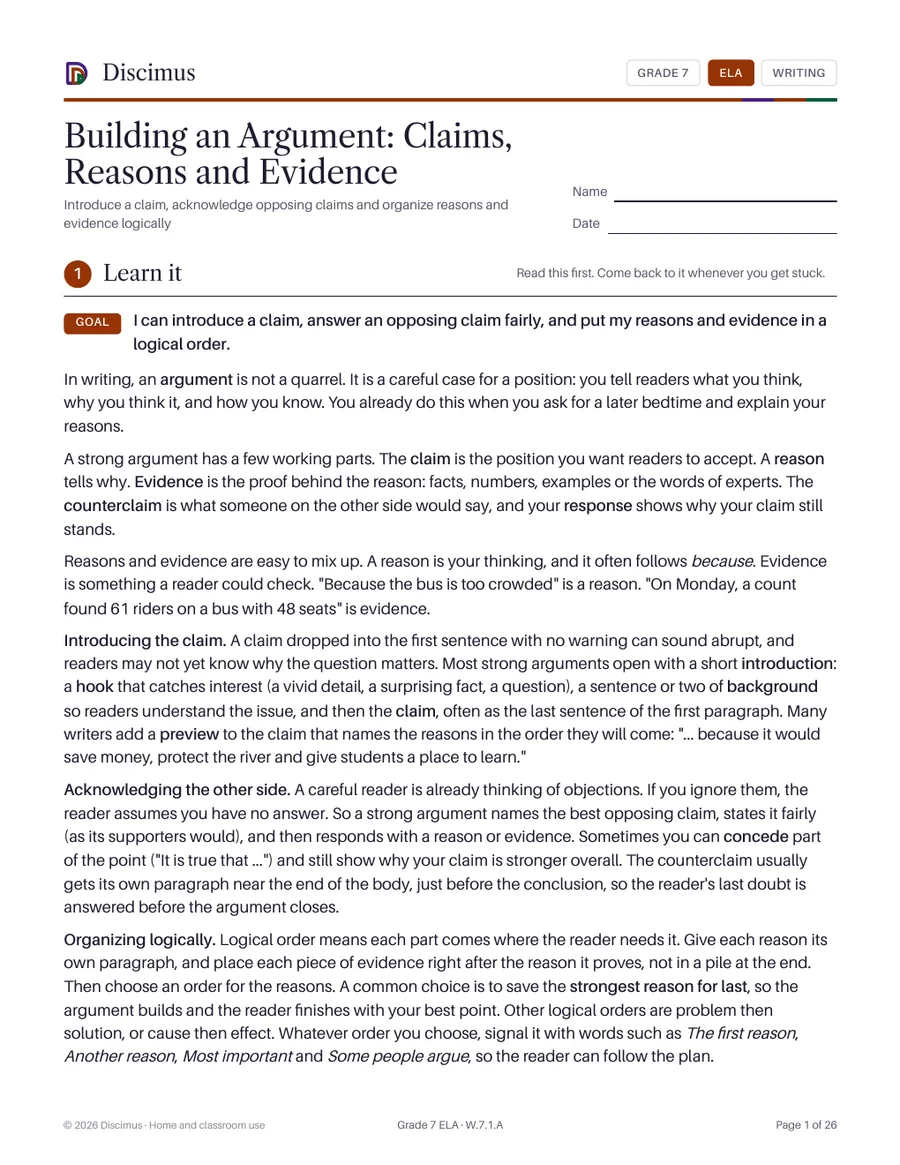
Introduce a claim, acknowledge opposing claims and organize reasons and evidence logically
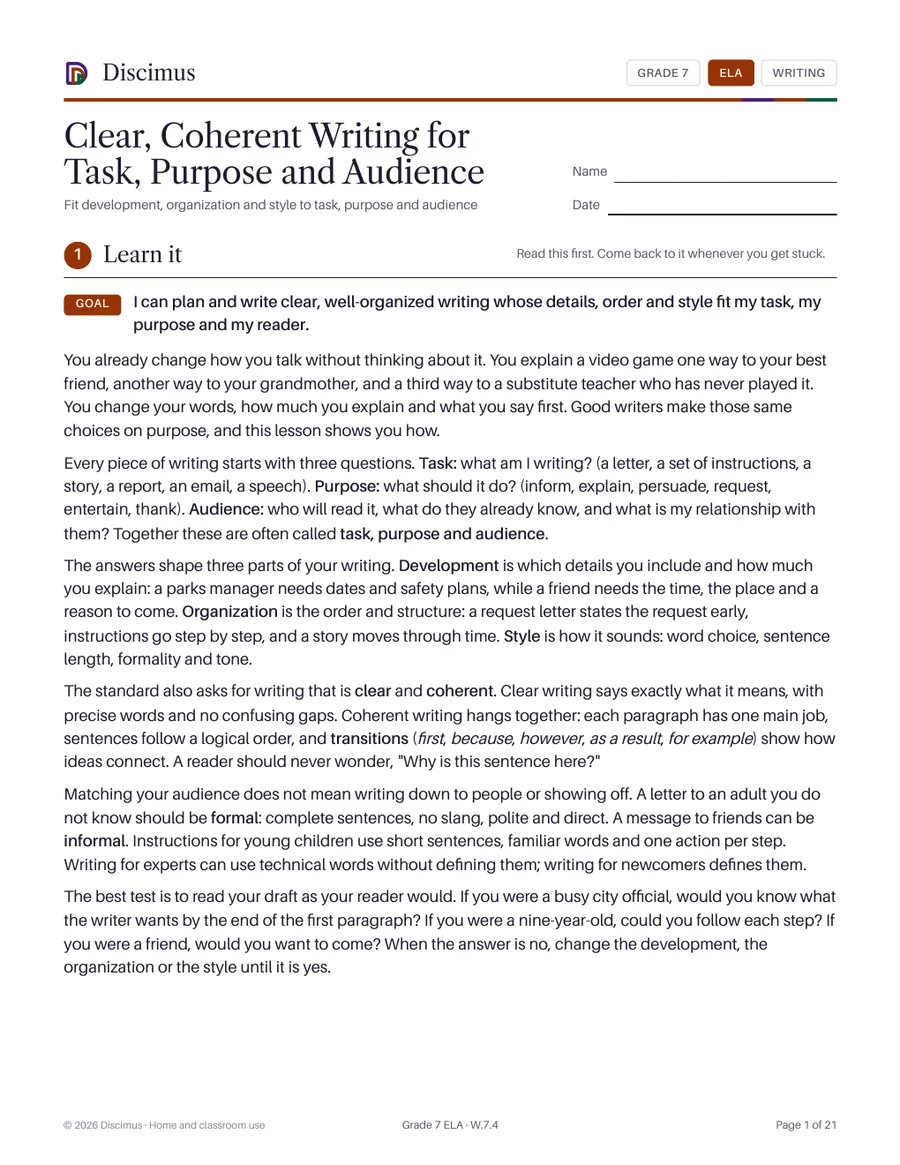
Fit development, organization and style to task, purpose and audience
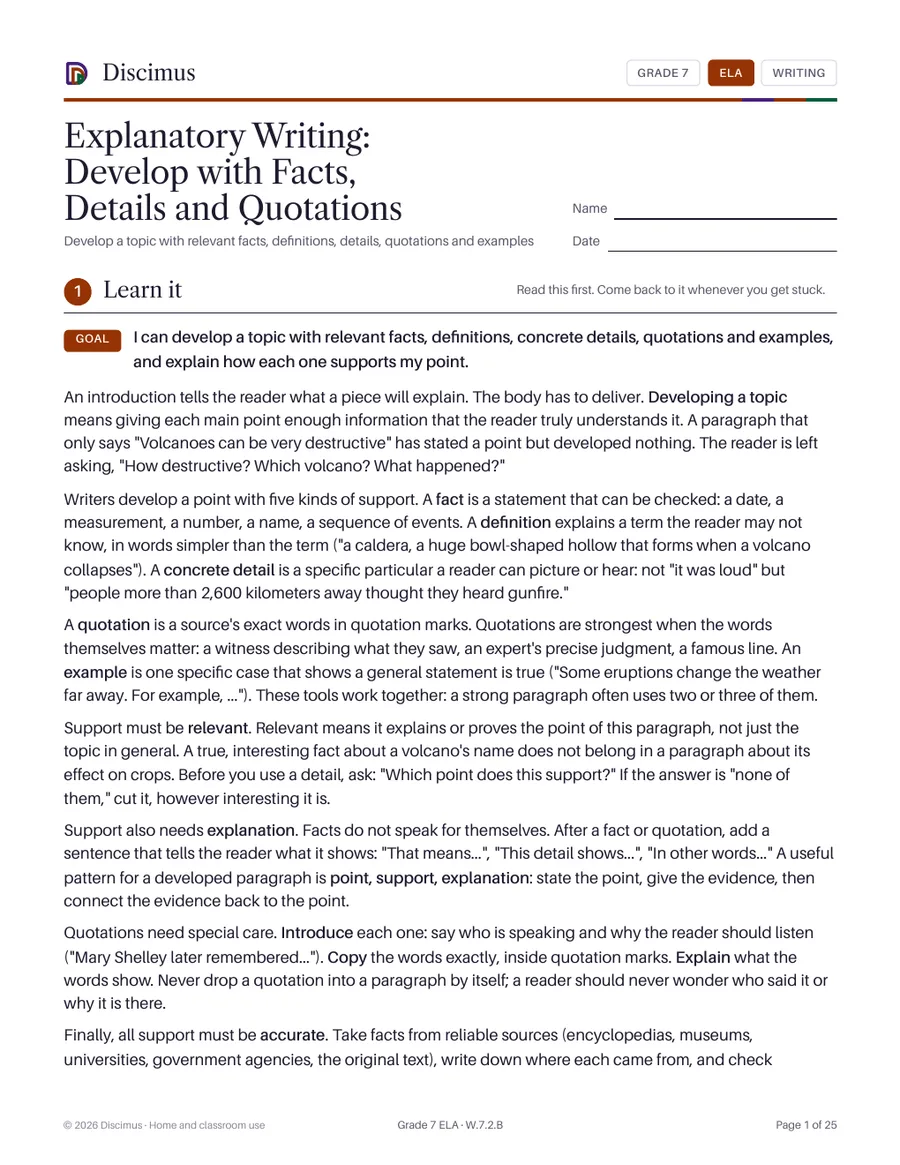
Develop a topic with relevant facts, definitions, details, quotations and examples
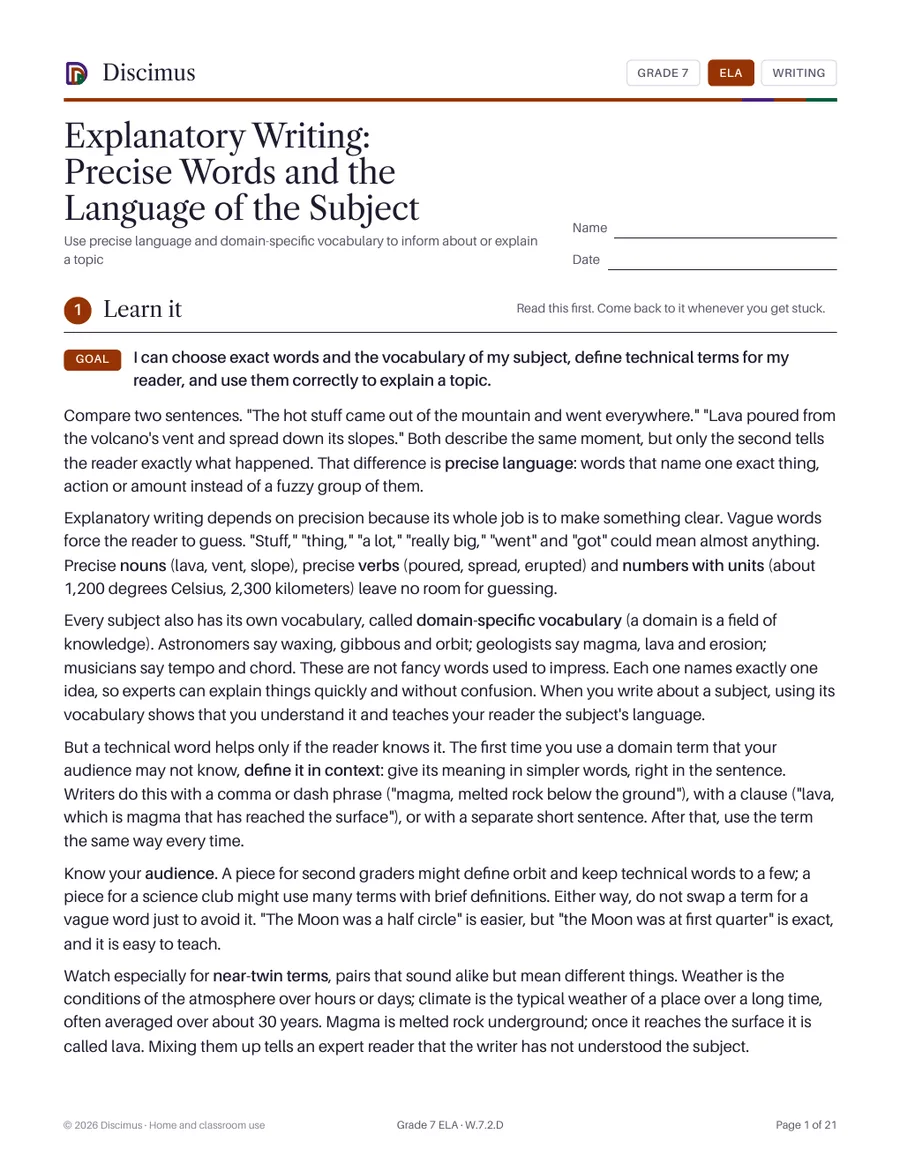
Use precise language and domain-specific vocabulary to inform about or explain a topic
Preview a topic; organize by definition, classification, comparison or cause and effect
Establish and maintain a formal style in explanatory writing
Use transitions to create cohesion and show how ideas and concepts relate
Write a concluding statement or section that follows from and supports an explanation
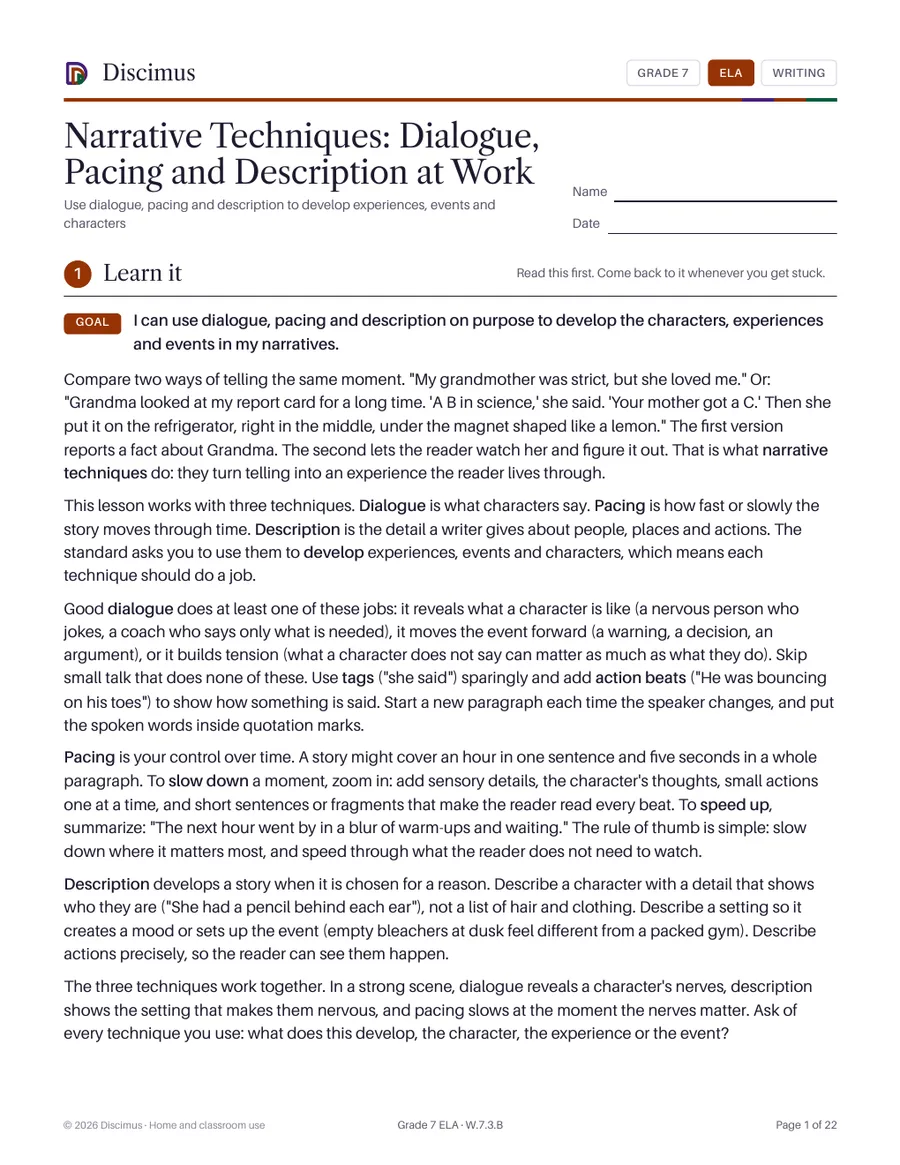
Use dialogue, pacing and description to develop experiences, events and characters
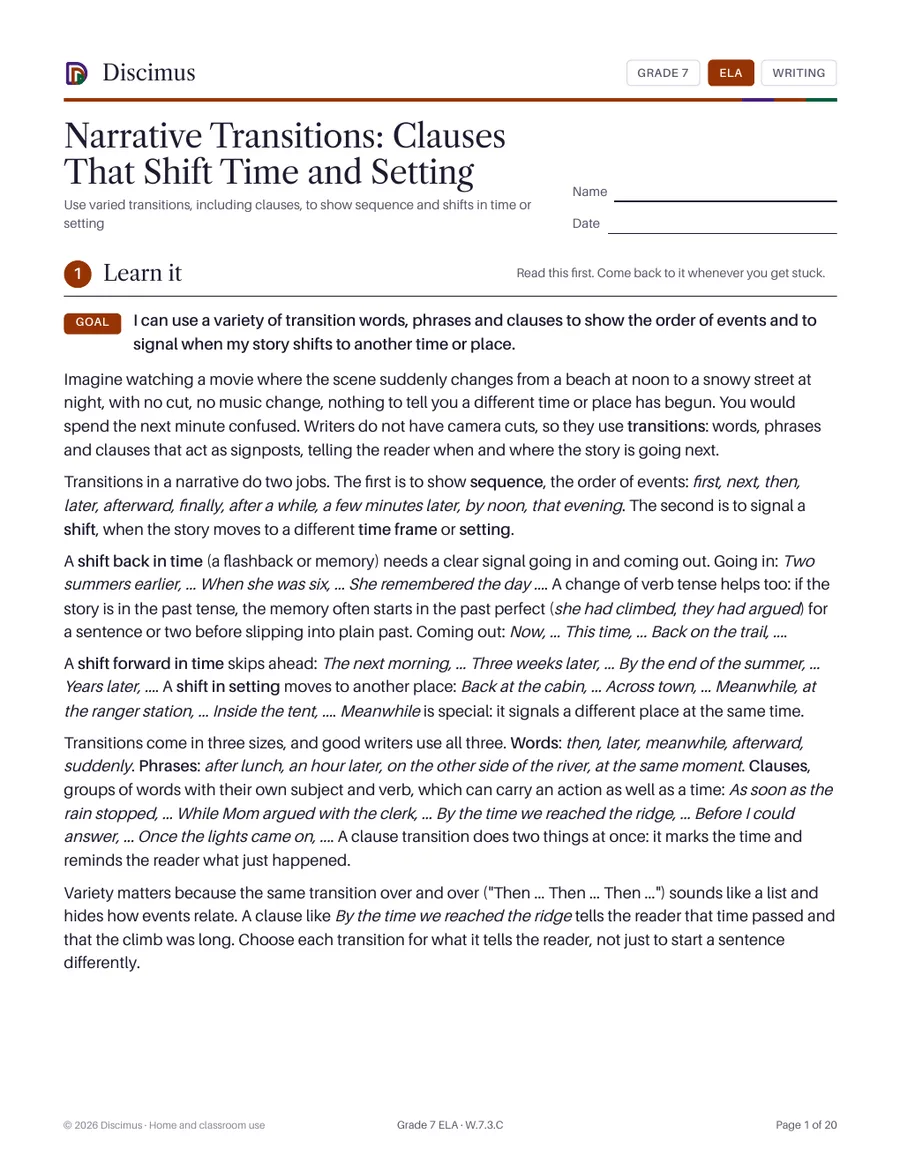
Use varied transitions, including clauses, to show sequence and shifts in time or setting
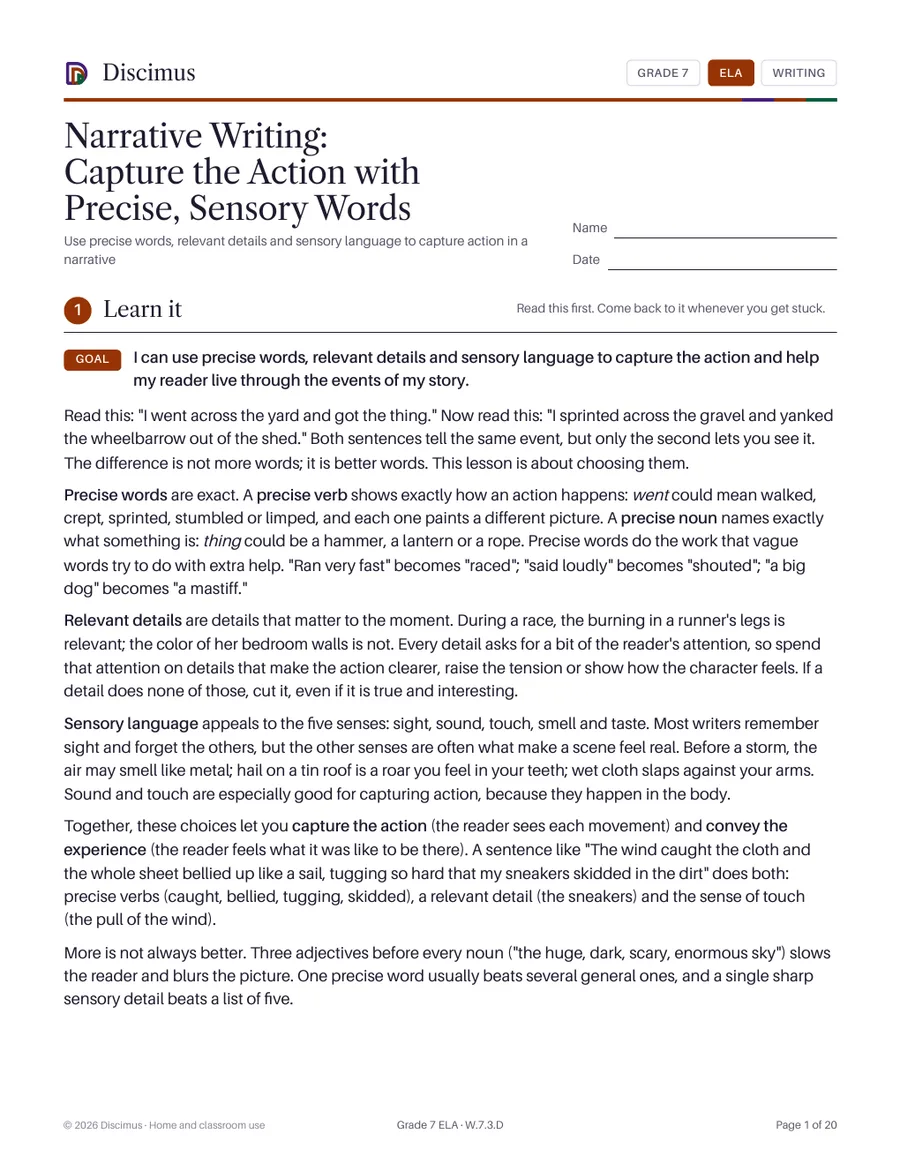
Use precise words, relevant details and sensory language to capture action in a narrative
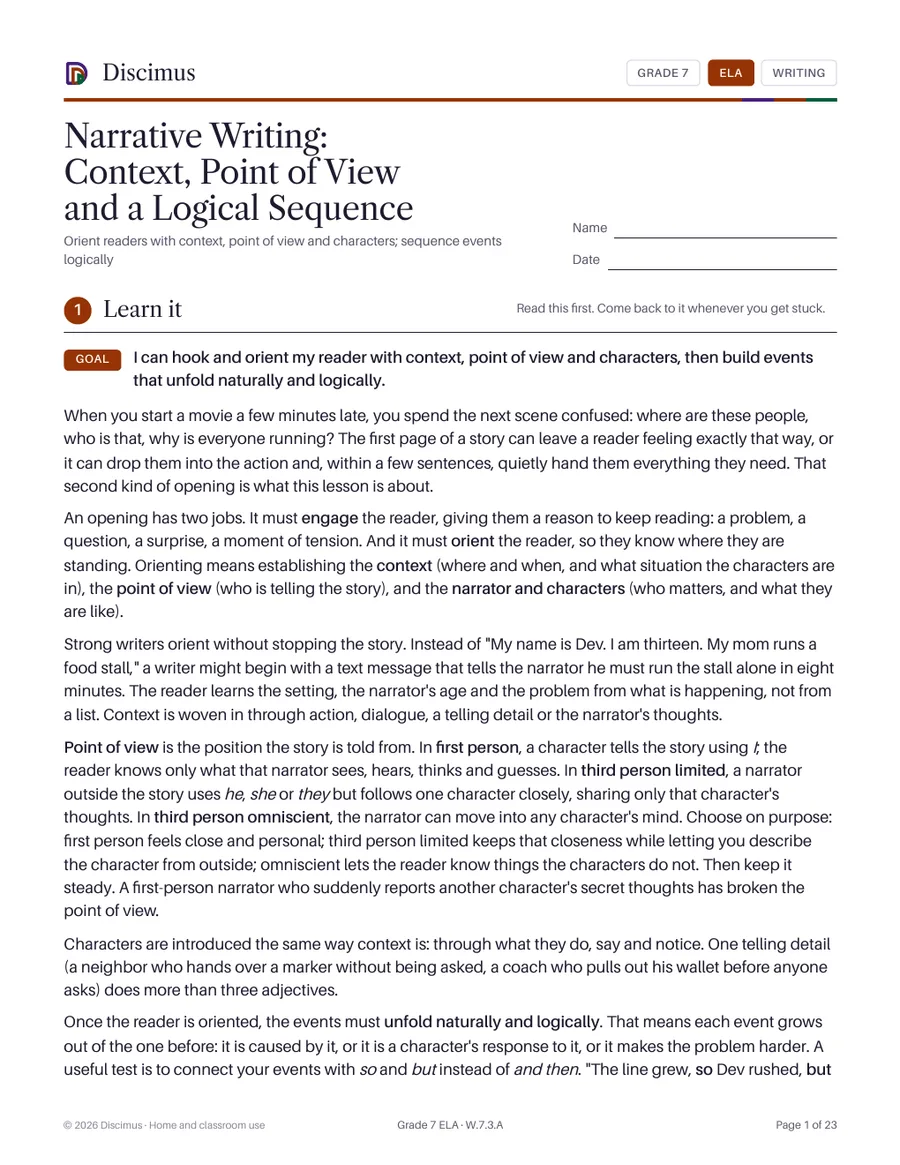
Orient readers with context, point of view and characters; sequence events logically
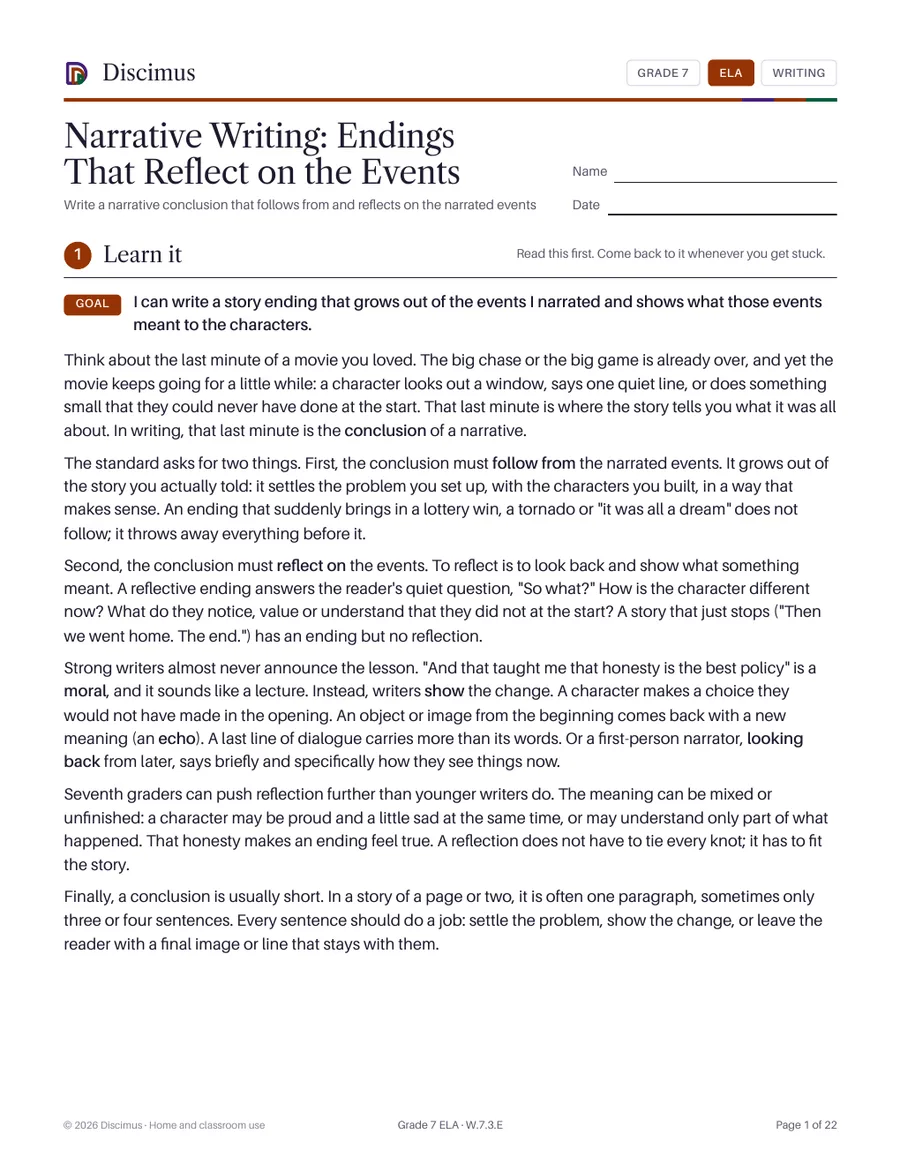
Write a narrative conclusion that follows from and reflects on the narrated events
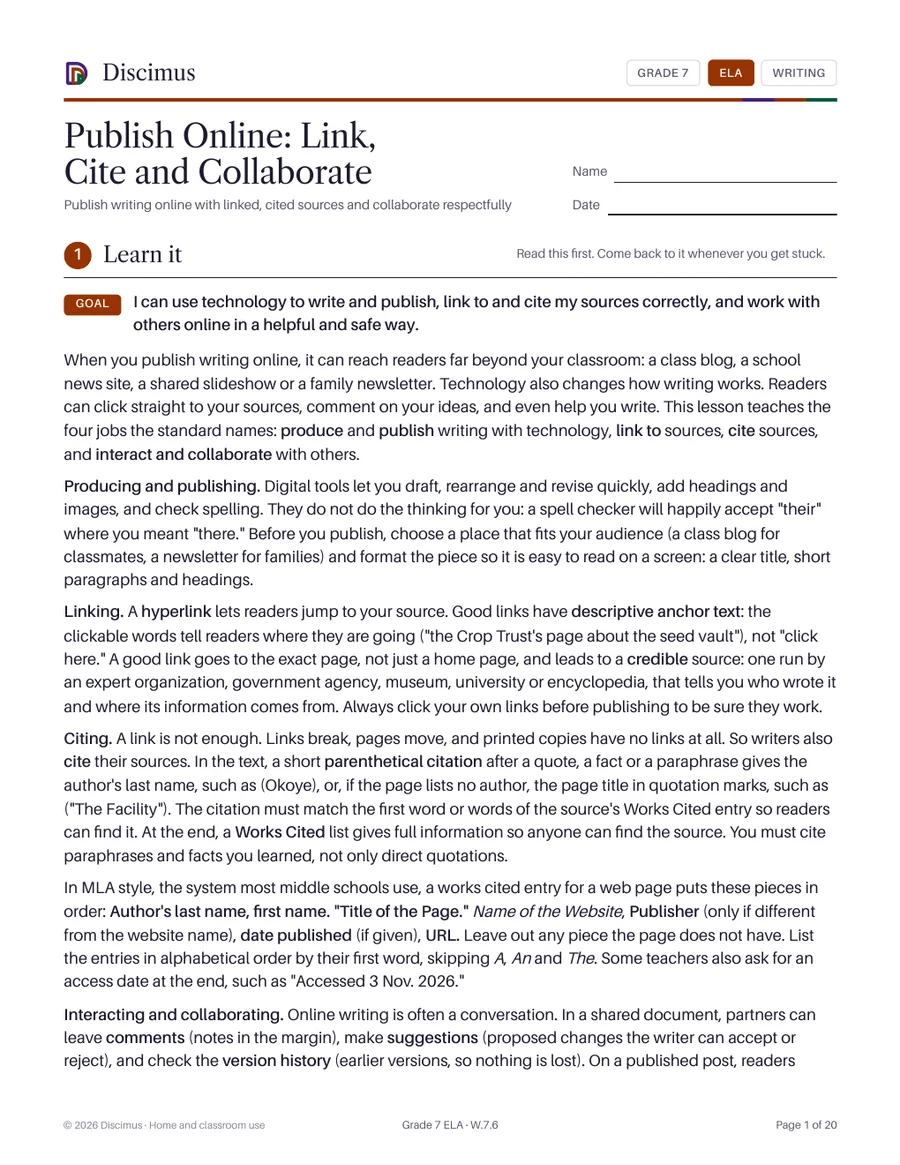
Publish writing online with linked, cited sources and collaborate respectfully
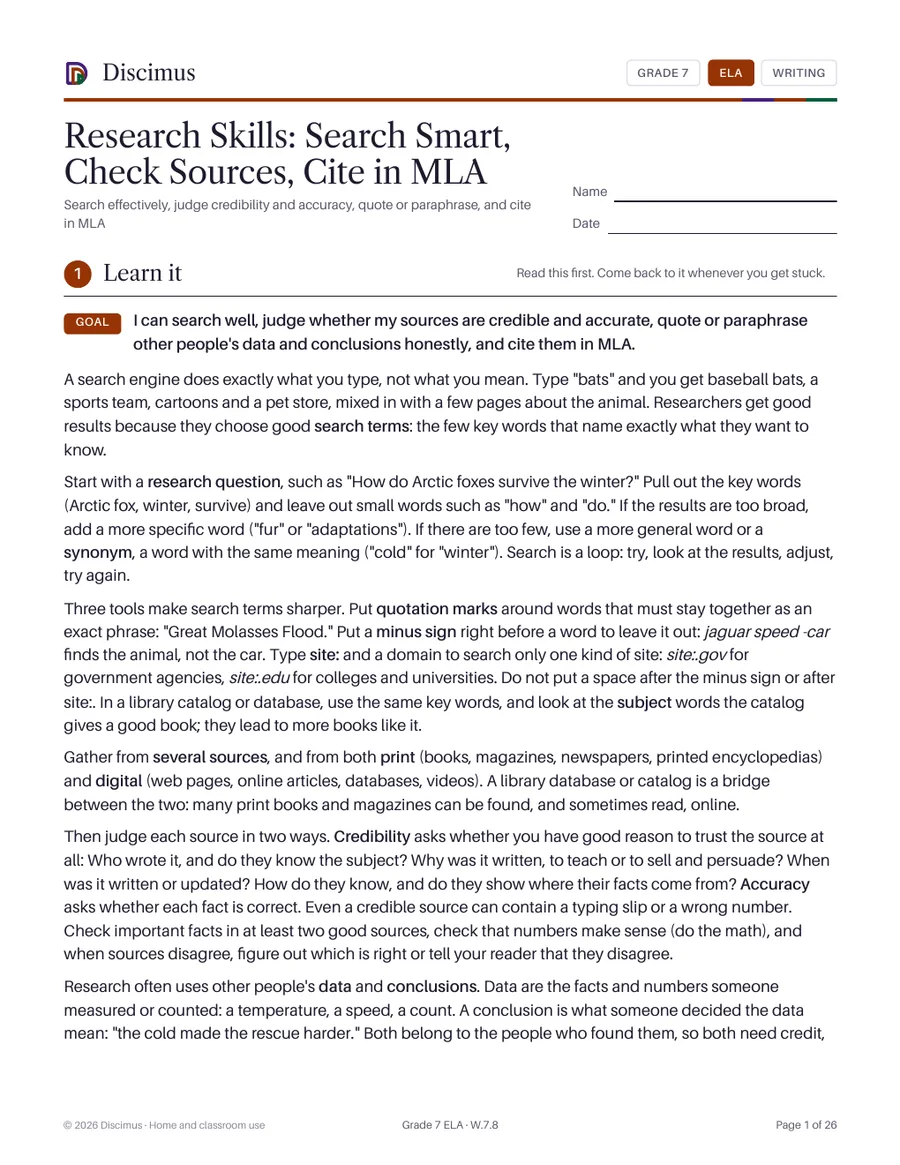
Search effectively, judge credibility and accuracy, quote or paraphrase, and cite in MLA
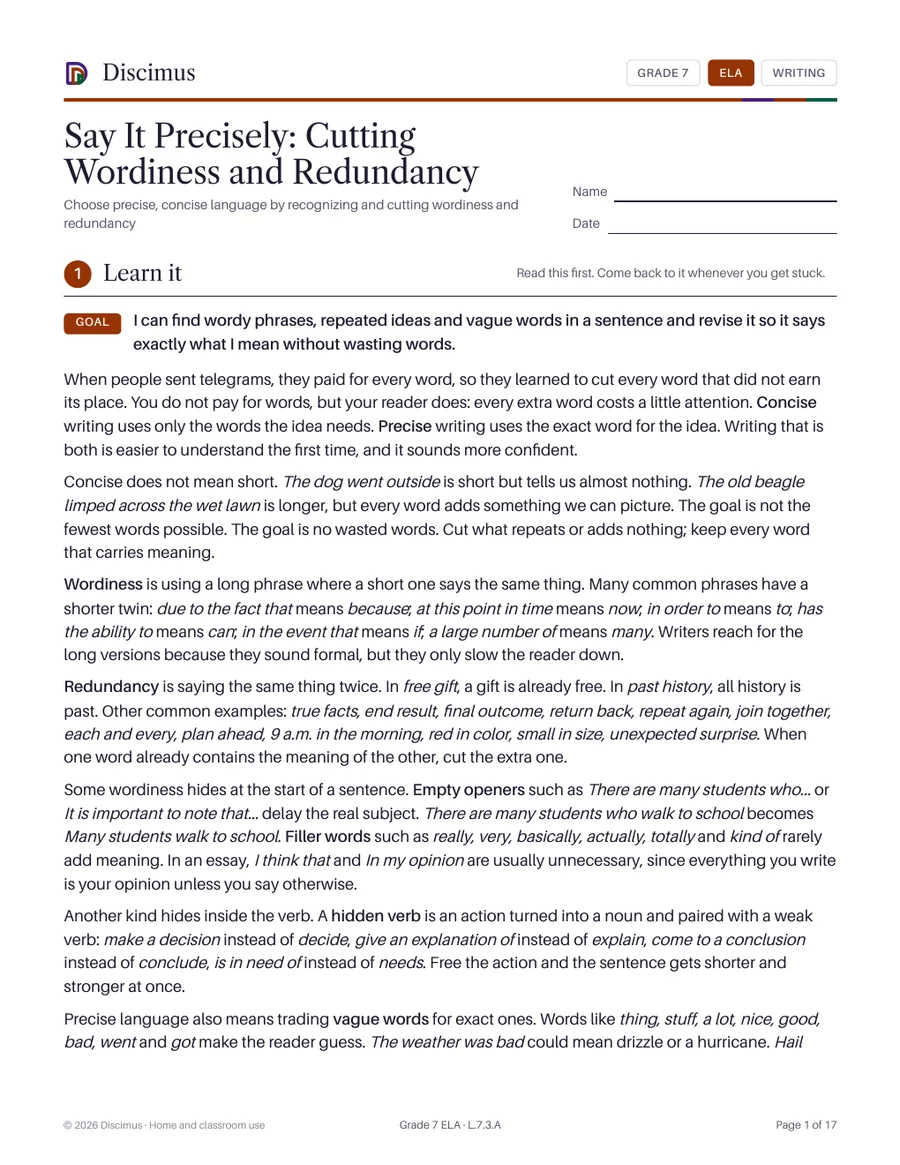
Choose precise, concise language by recognizing and cutting wordiness and redundancy
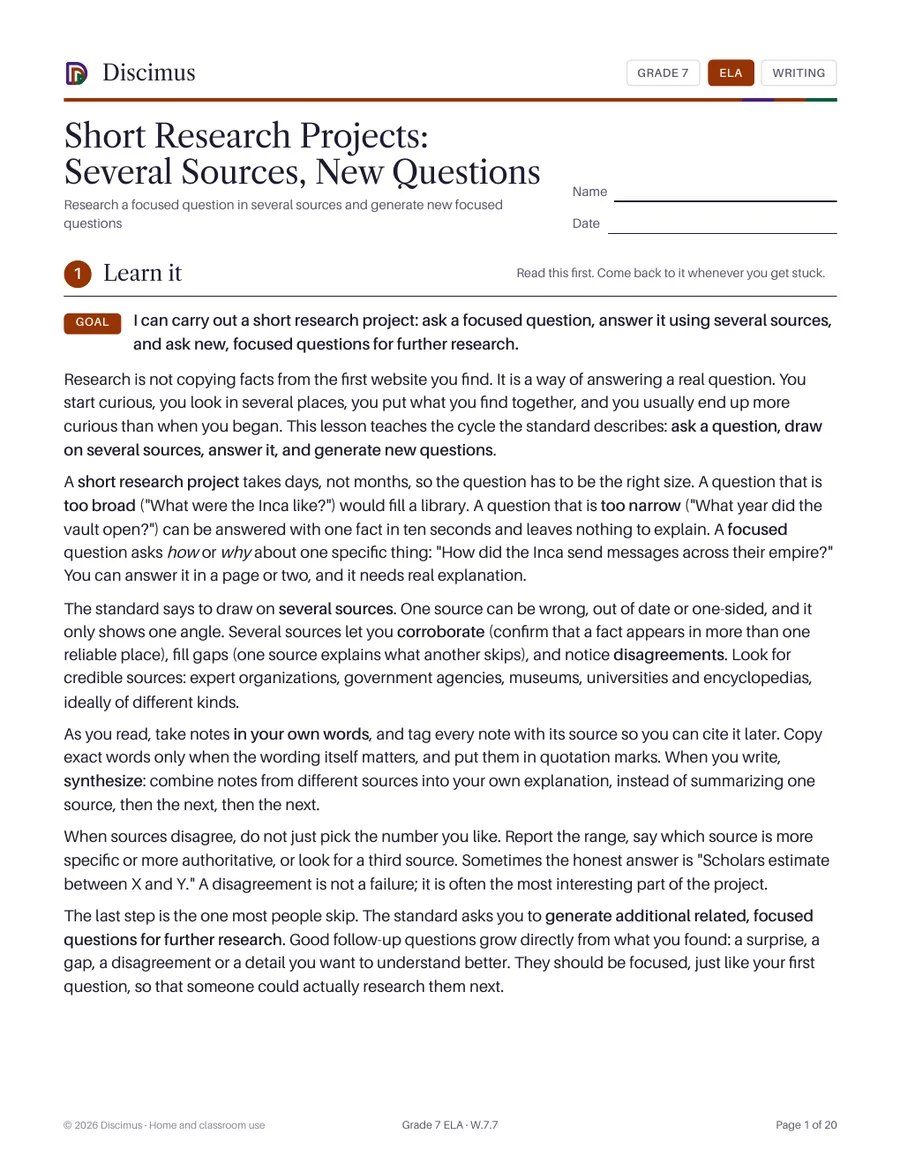
Research a focused question in several sources and generate new focused questions
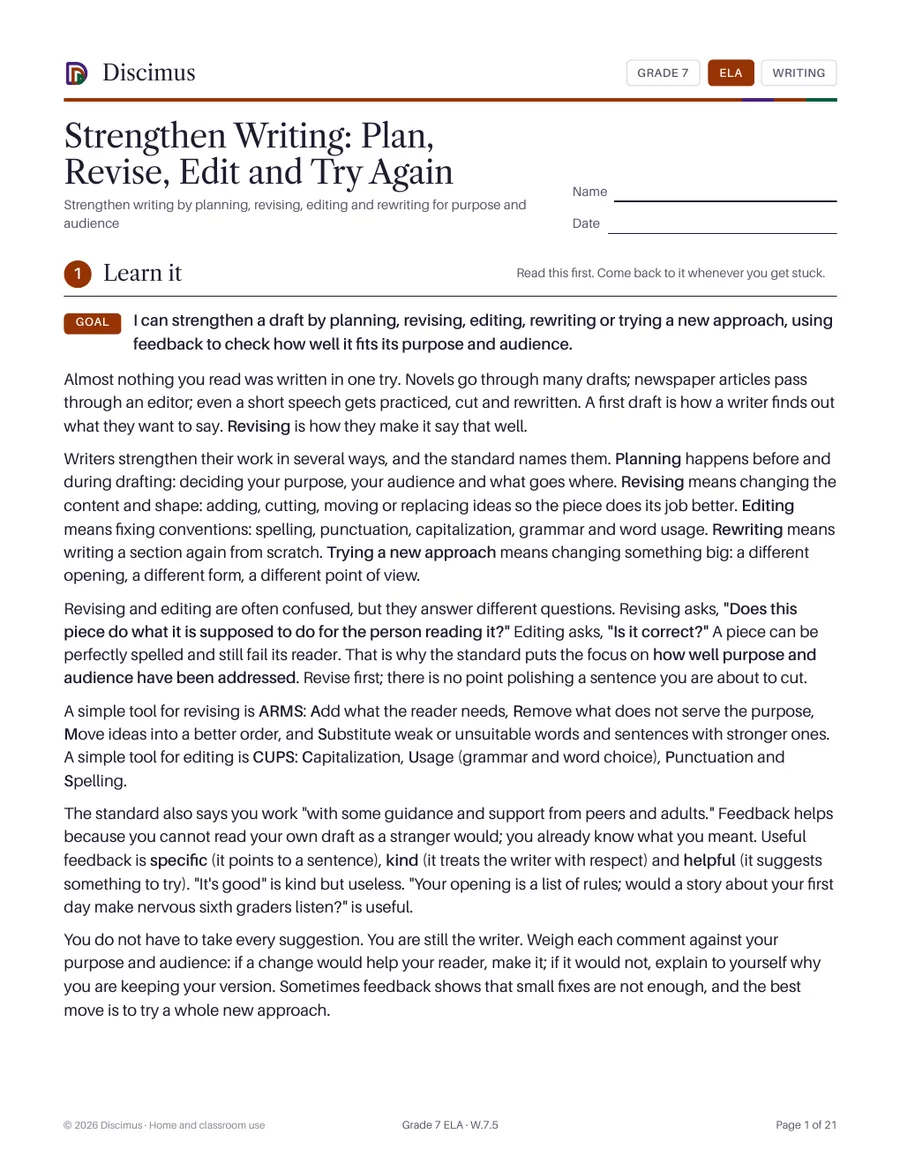
Strengthen writing by planning, revising, editing and rewriting for purpose and audience
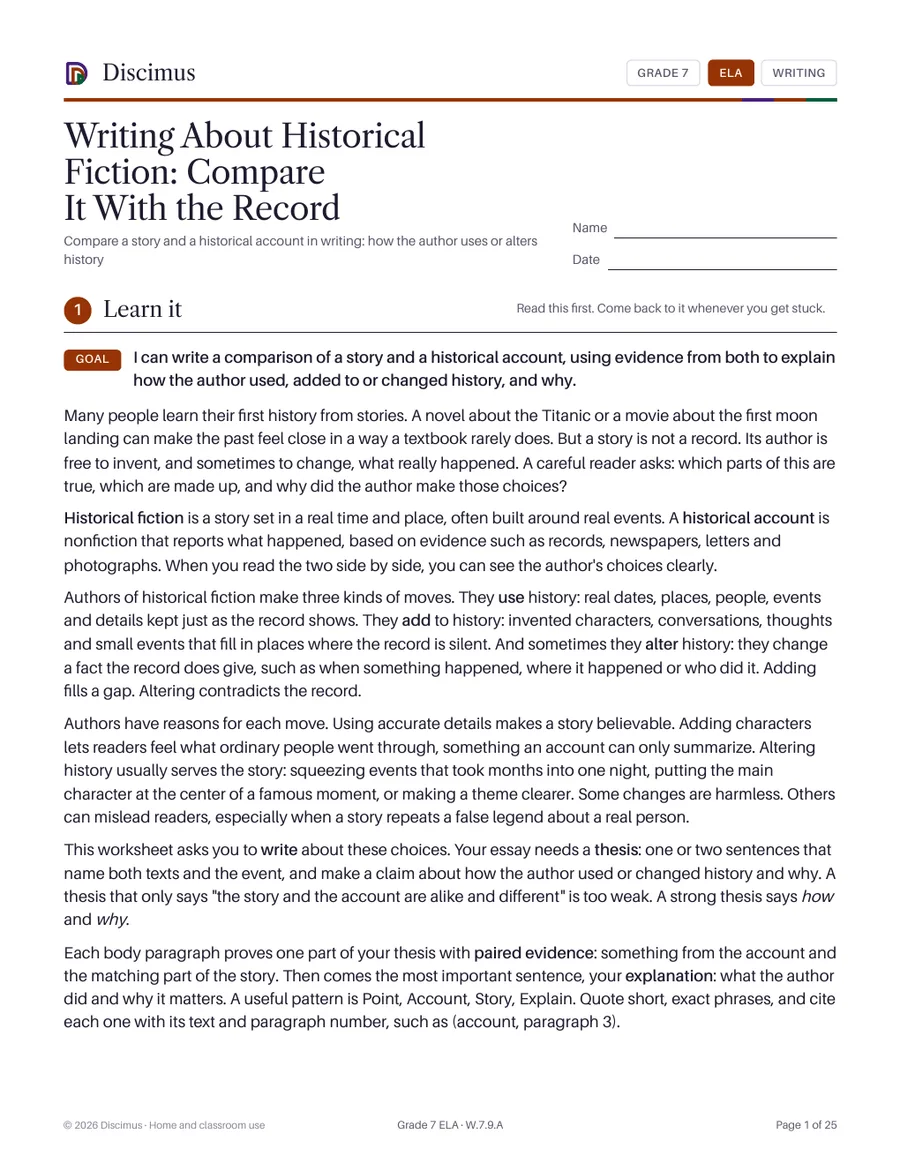
Compare a story and a historical account in writing: how the author uses or alters history
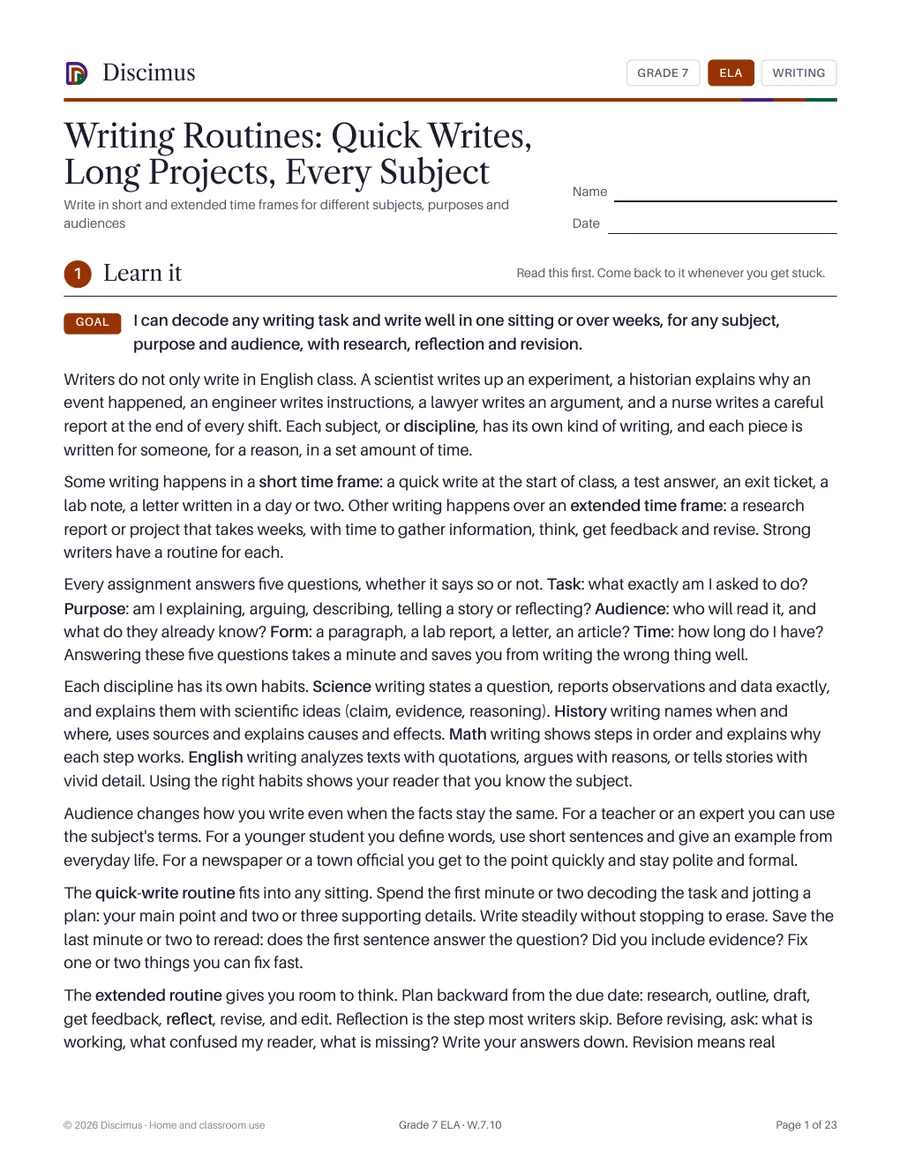
Write in short and extended time frames for different subjects, purposes and audiences
Write an evaluation of an argument: trace its claims and judge its reasoning and evidence