Academic and Domain Words: Gather Them, Use Them Accurately
Gather, learn and accurately use general academic and domain-specific words and phrases
Common Core State Standards for English Language Arts
Phonics, reading, grammar, vocabulary and writing.
Gather, learn and accurately use general academic and domain-specific words and phrases
Form verbs in the active and passive voice and choose the voice that fits the purpose
Determine an author's point of view and analyze how the author answers conflicting views
Establish and maintain a formal style in argument writing
Introduce a claim, distinguish it from other claims, and order reasons logically
Write a concluding statement or section that follows from and supports the argument
Use words, phrases and clauses to link claims, counterclaims, reasons and evidence
Support a claim with logical reasoning and relevant evidence from credible sources
Trace how a central idea develops through supporting ideas and write an objective summary
Compare the structures of two texts and how each structure shapes meaning and style
Write conclusions that follow from and support history, science and technical explanations
Distinguish connotations of words with similar meanings, such as firm and bullheaded
Read and understand complex literary nonfiction independently and proficiently
Map an argument and judge its reasoning and the relevance and sufficiency of its evidence
Analyze how figurative words, connotations, analogies and allusions shape meaning and tone
Draw and explain evidence from informational texts for analysis, reflection and research
Develop a topic with relevant facts, definitions, details, quotations and examples
Establish and maintain a formal style in explanatory writing
Use precise language and domain-specific vocabulary to explain a topic
Introduce and preview a topic; group information into broader categories with headings
Use varied transitions to create cohesion and show how ideas and concepts relate
Judge how faithful a production is to a text and evaluate directors' and actors' choices
Choose development, organization and style that fit the task, purpose and audience
Form and use verbs in the five moods, including the conditional and the subjunctive
Establish and maintain a formal style in a history, science or technical argument
Write a conclusion that follows from and supports a history, science or technical argument
Support a history or science claim with sound reasoning and accurate, credible evidence
Introduce a history or science claim, distinguish it from other claims, order the support
Use words, phrases and clauses to link claims, counterclaims, reasons and evidence
Develop a history or science topic with facts, definitions, details, quotations, examples
Establish and keep a formal style and objective tone in history and science writing
Introduce and preview a history or science topic; sort it into headed categories
Use precise language and domain-specific vocabulary to explain a history or science topic
Use varied transitions to show how ideas relate in history, science and technical writing
Write a concluding statement or section that follows from and supports an explanation
Analyze a paragraph's structure and how its sentences develop and refine a key concept
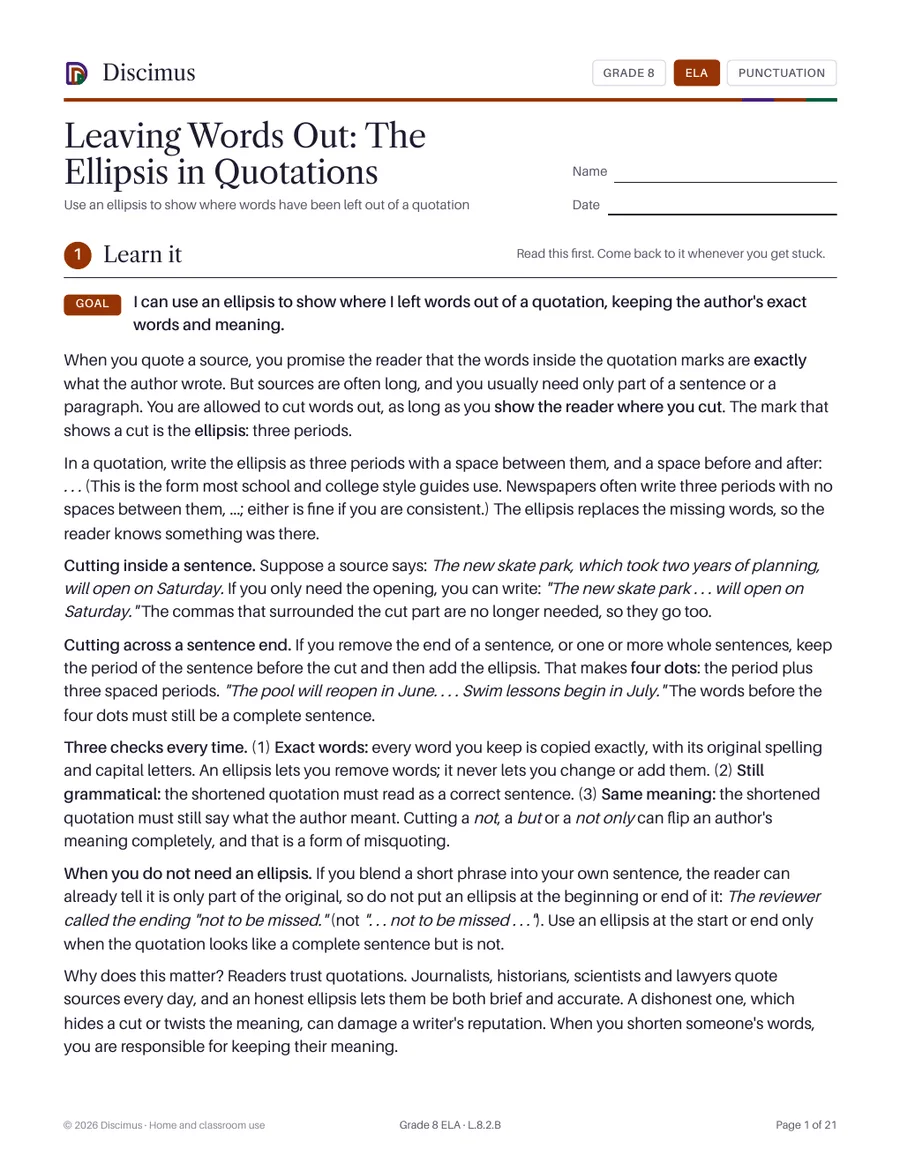
Use an ellipsis to show where words have been left out of a quotation
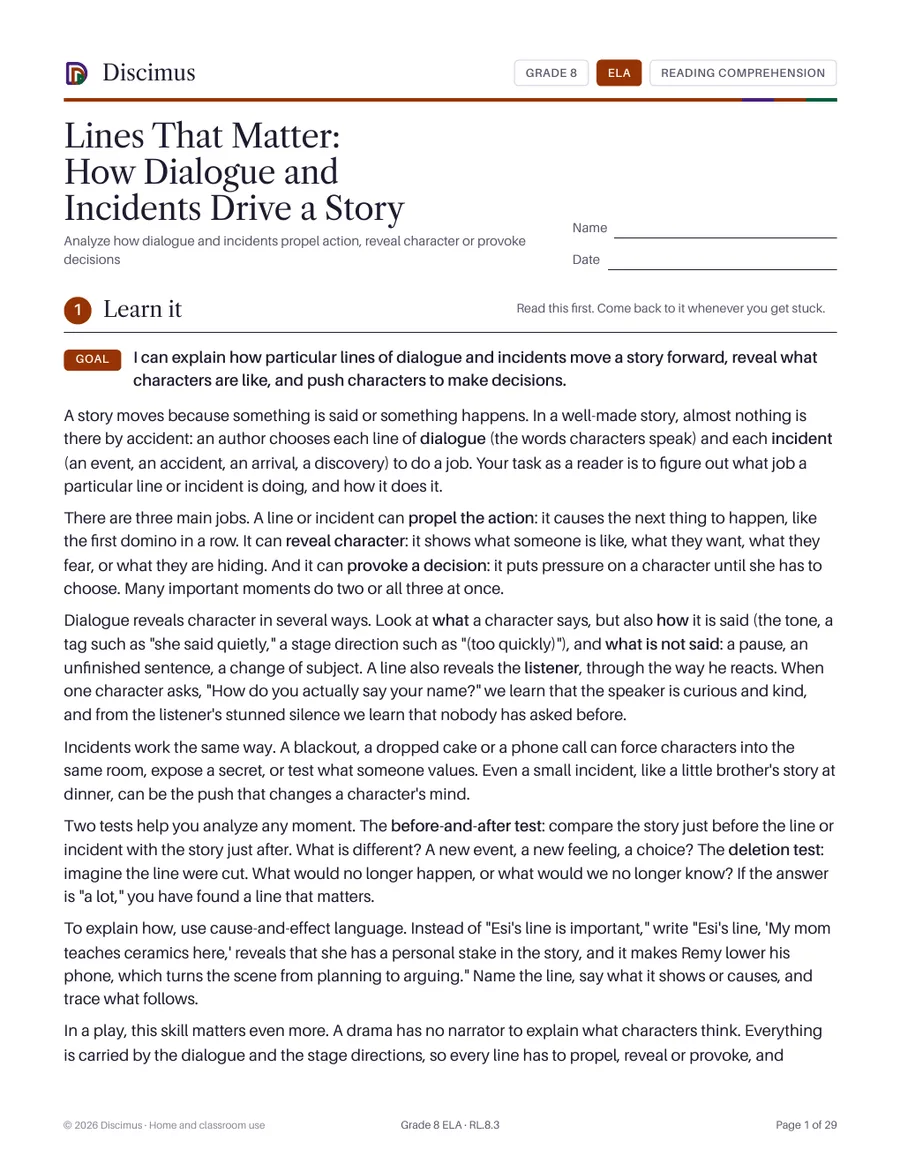
Analyze how dialogue and incidents propel action, reveal character or provoke decisions
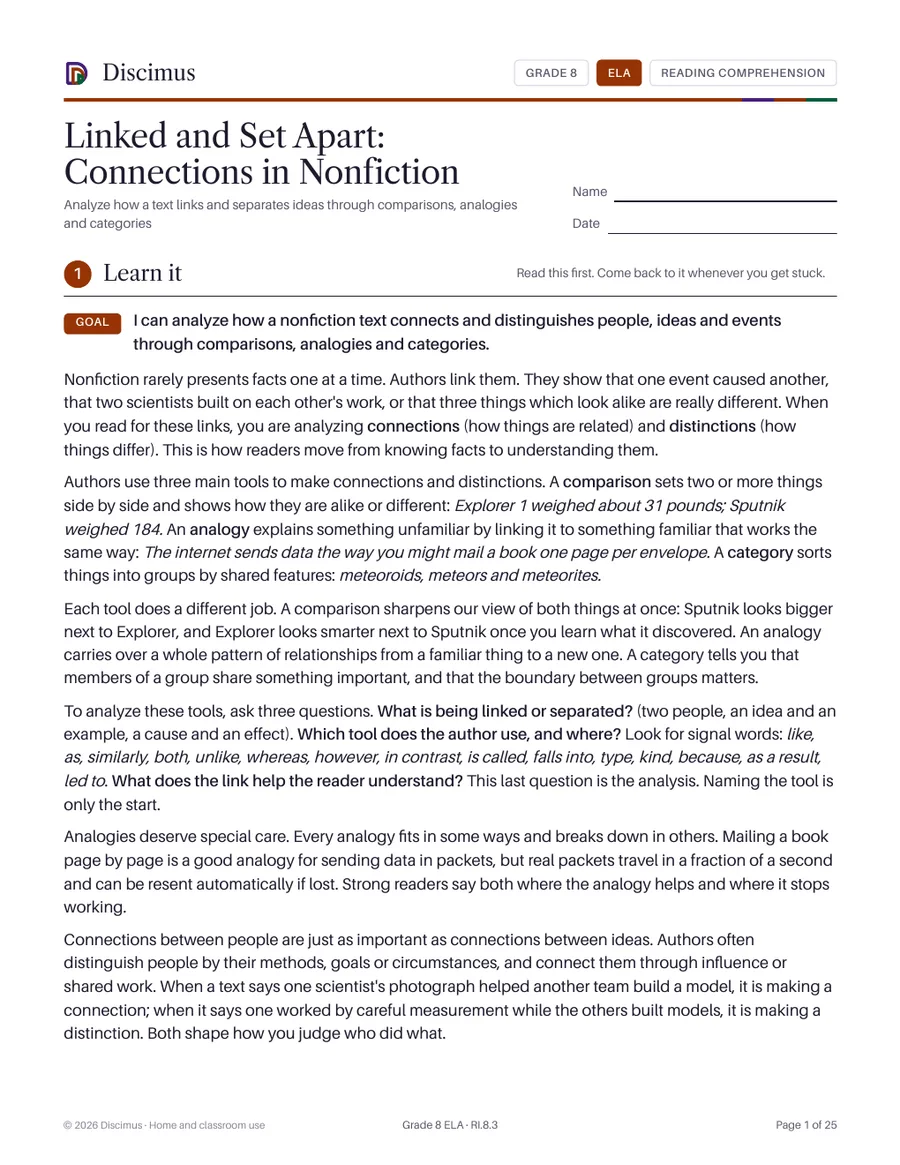
Analyze how a text links and separates ideas through comparisons, analogies and categories
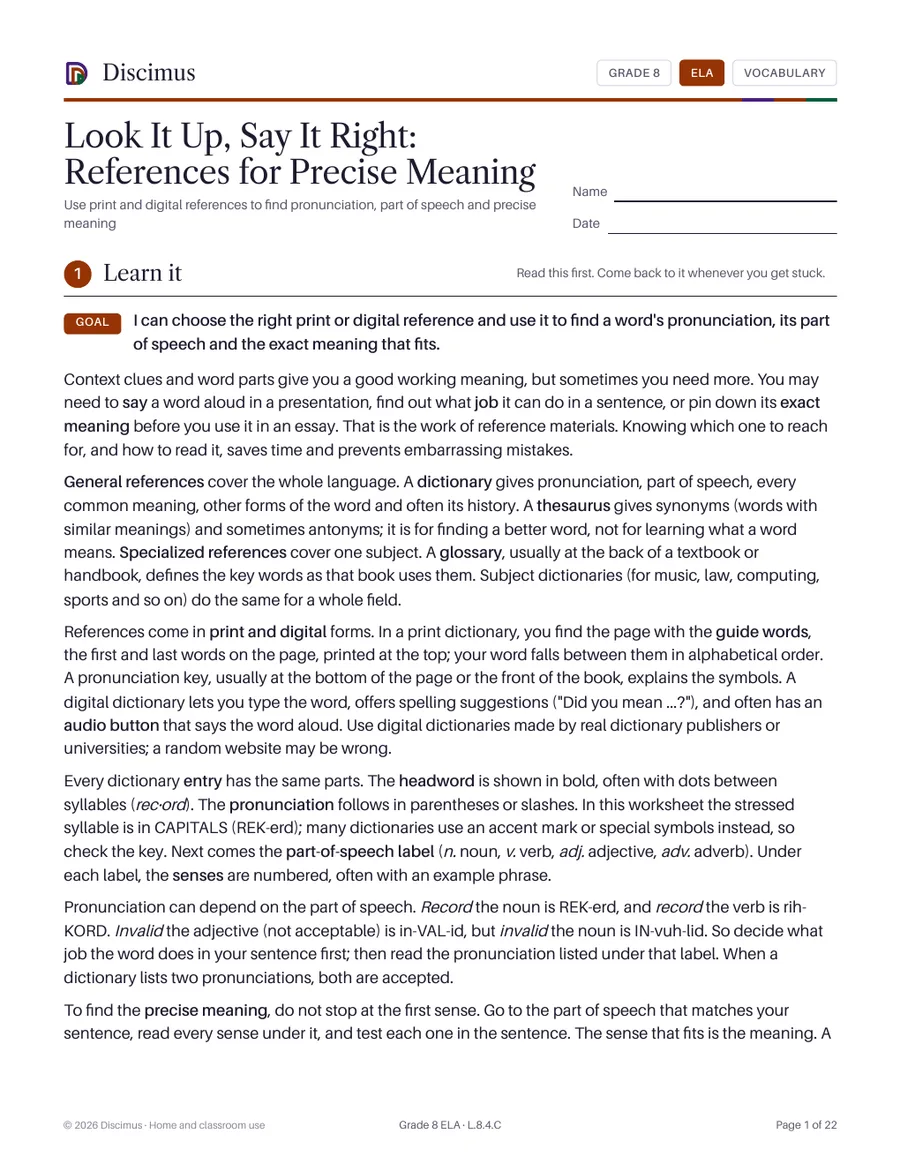
Use print and digital references to find pronunciation, part of speech and precise meaning
Use precise words, relevant details and sensory language to capture action and experience
Use dialogue, pacing, description and reflection to develop events and characters
Use varied transitions to show sequence, shifts in time or setting, and how events relate
Write a narrative conclusion that follows from and reflects on the narrated events
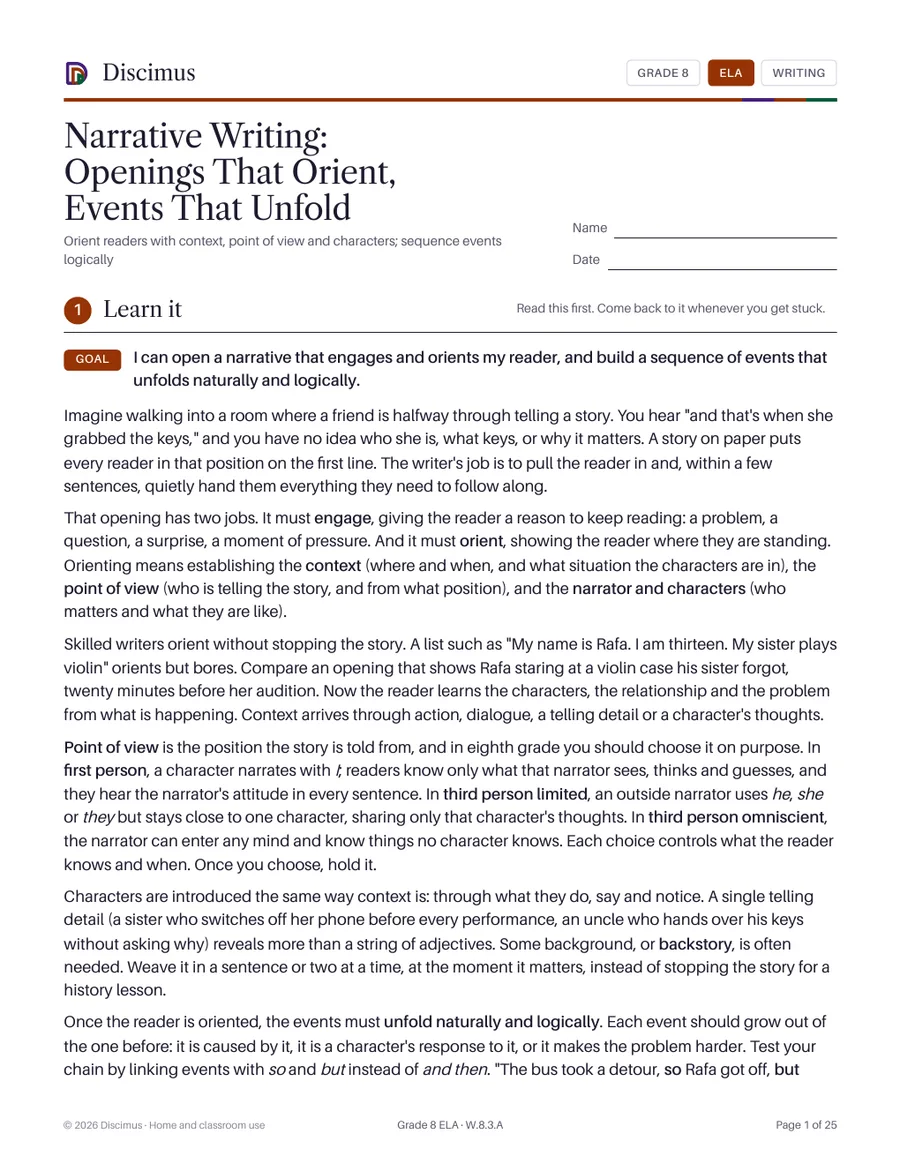
Orient readers with context, point of view and characters; sequence events logically
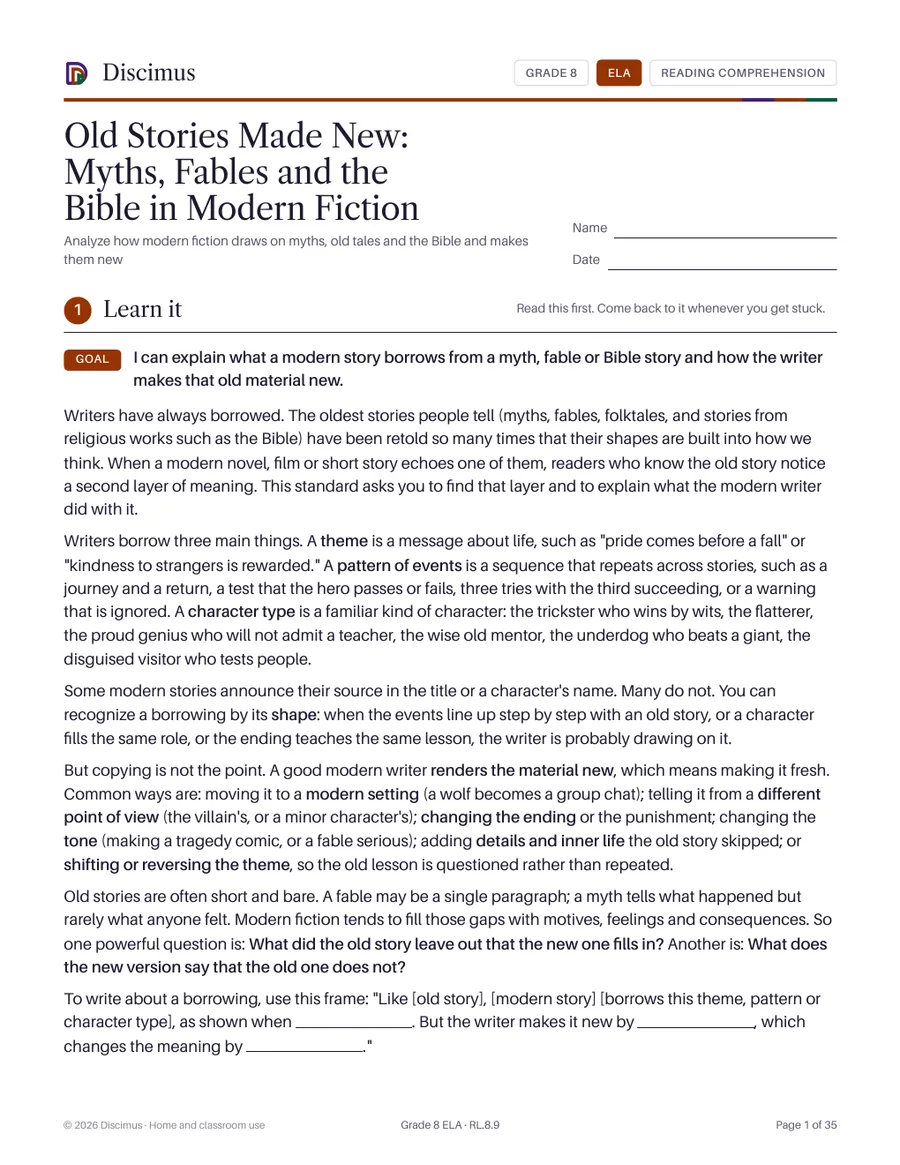
Analyze how modern fiction draws on myths, old tales and the Bible and makes them new
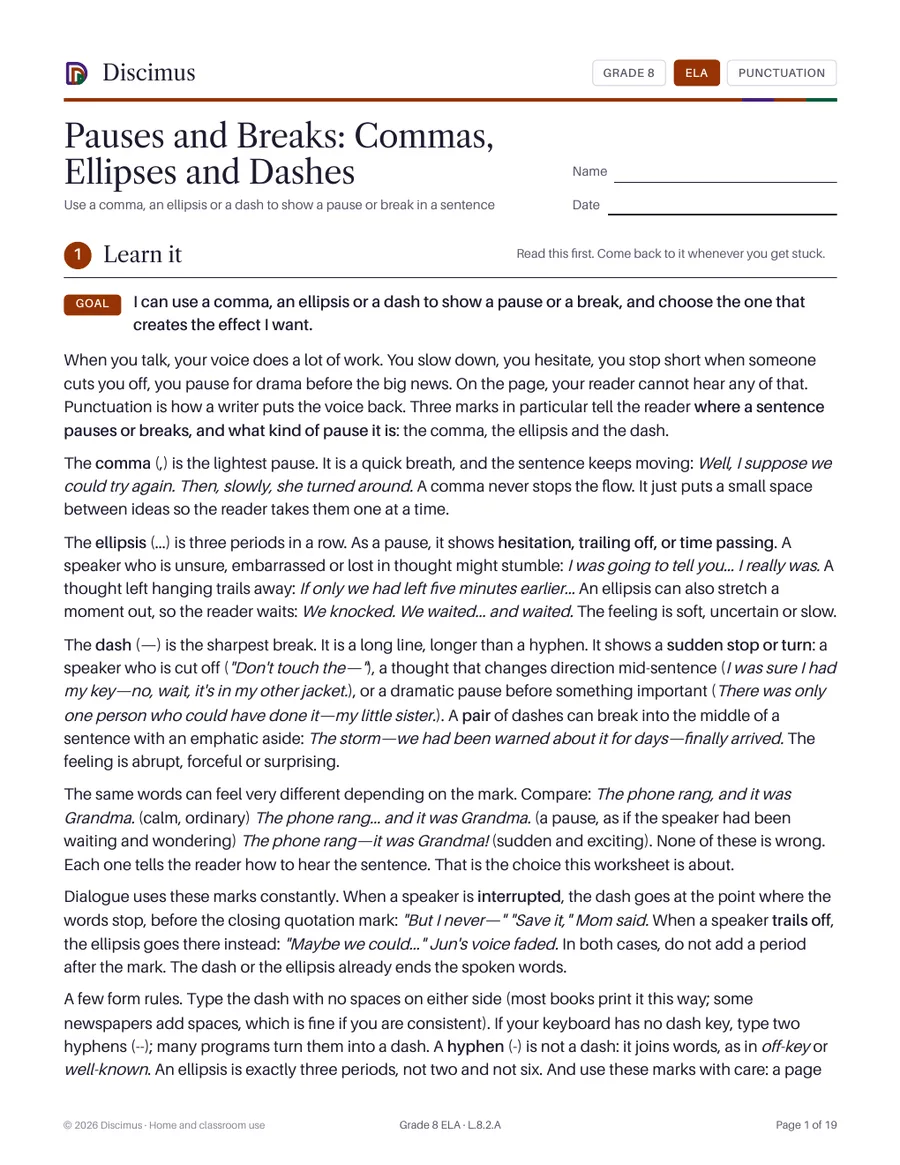
Use a comma, an ellipsis or a dash to show a pause or break in a sentence
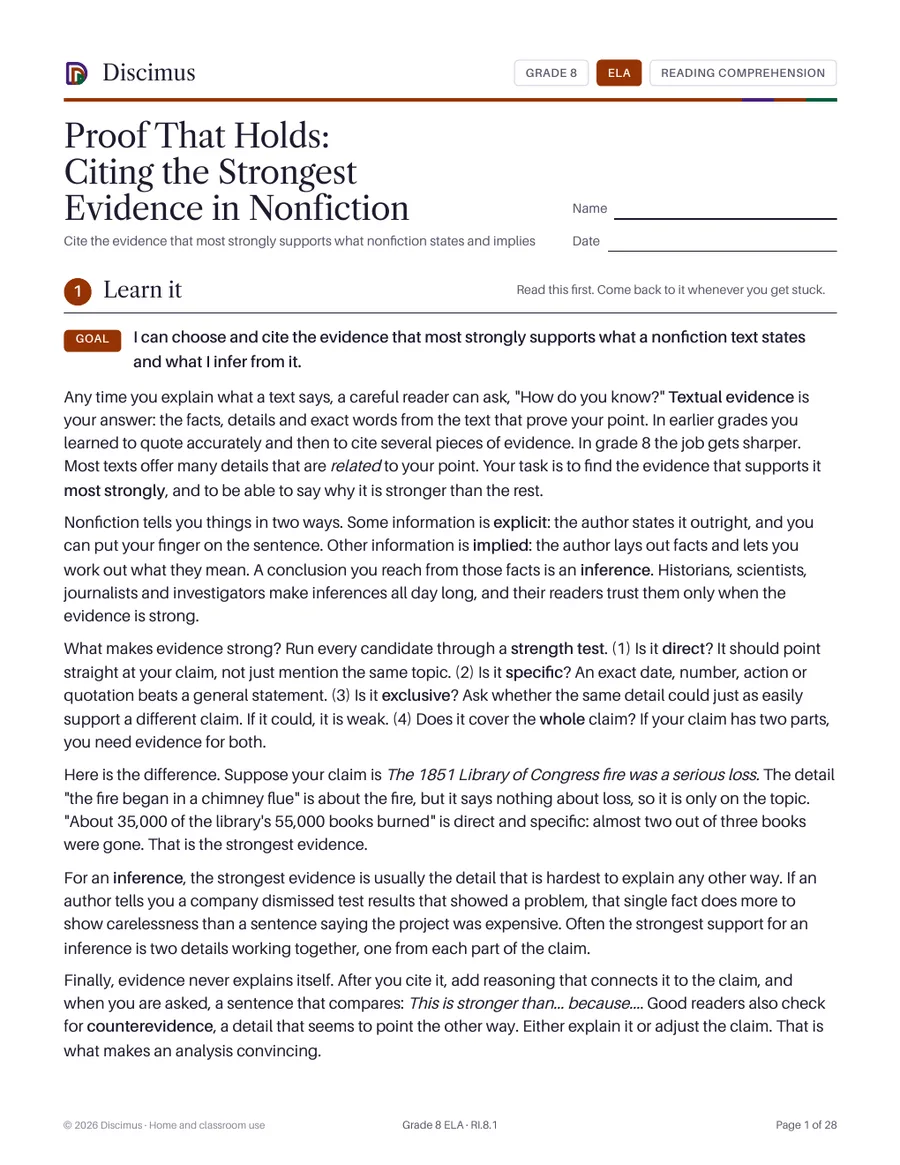
Cite the evidence that most strongly supports what nonfiction states and implies
Publish writing with digital tools that show how ideas connect, and collaborate online
Use technology to publish content writing and show how information and ideas connect
Read and understand challenging grade 8 stories, plays and poems independently
Use sentence and paragraph meaning and a word's position or function to define words
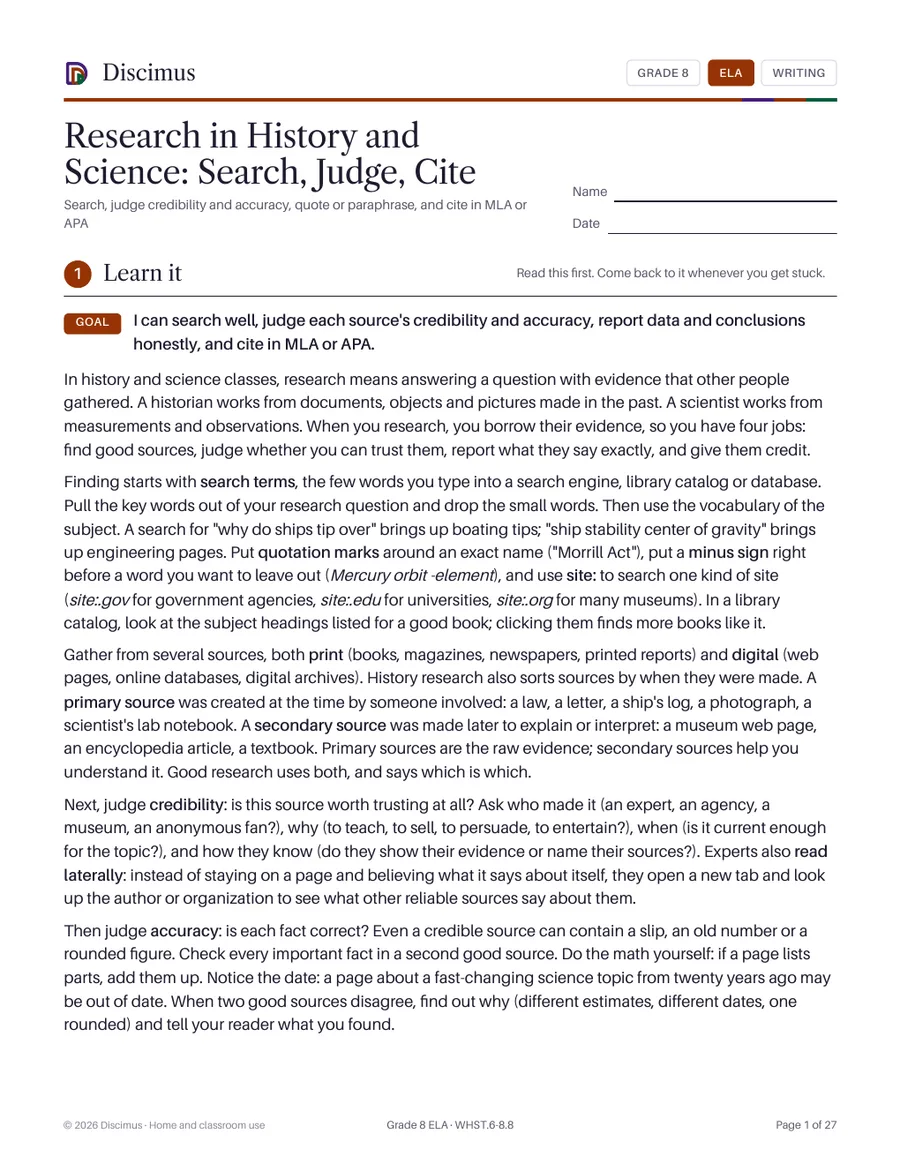
Search, judge credibility and accuracy, quote or paraphrase, and cite in MLA or APA
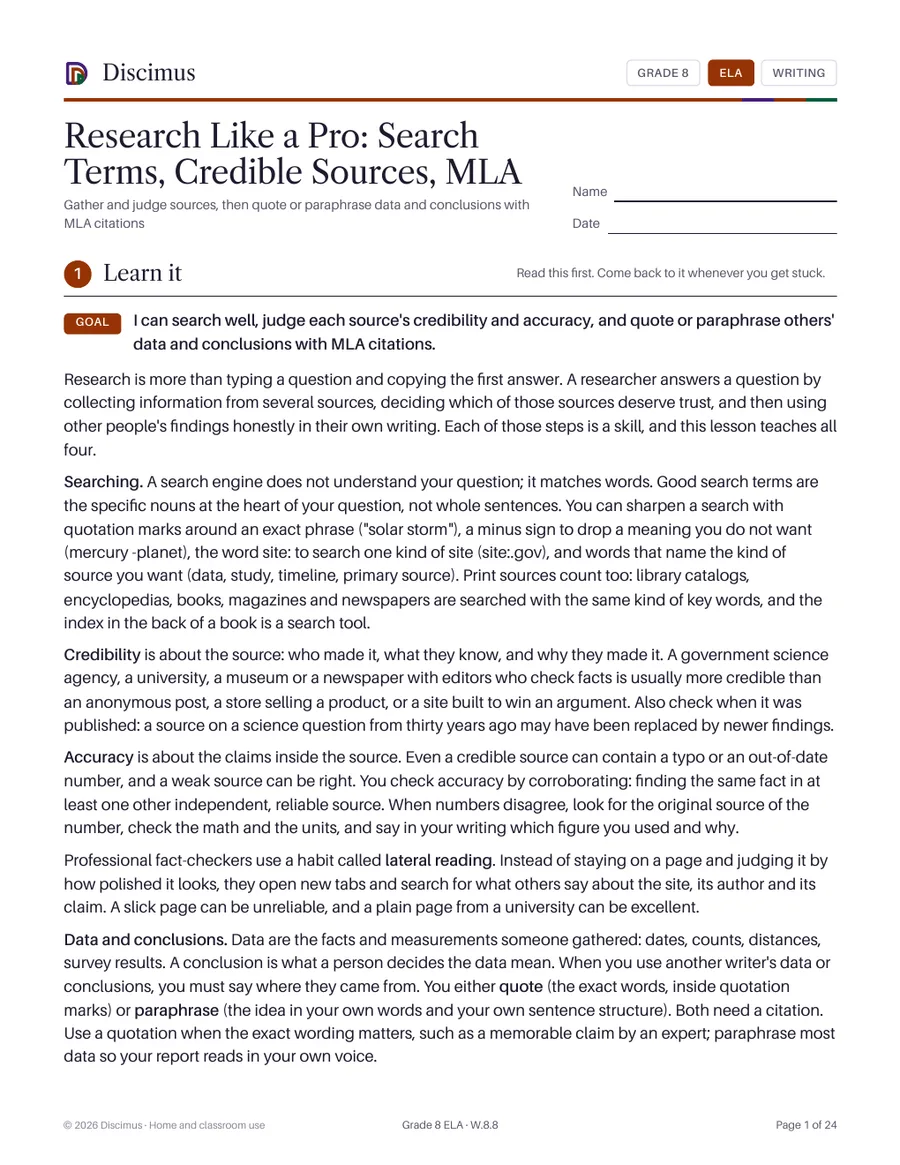
Gather and judge sources, then quote or paraphrase data and conclusions with MLA citations
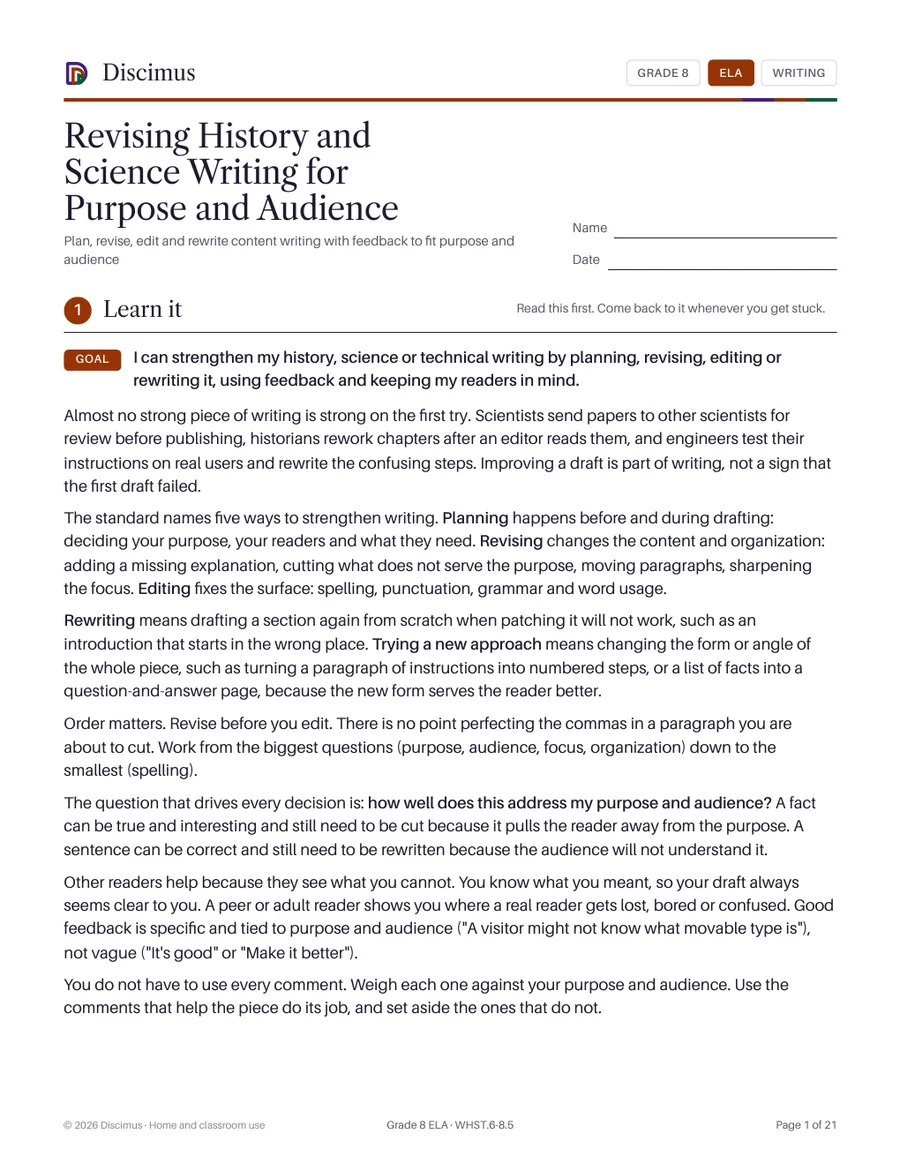
Plan, revise, edit and rewrite content writing with feedback to fit purpose and audience
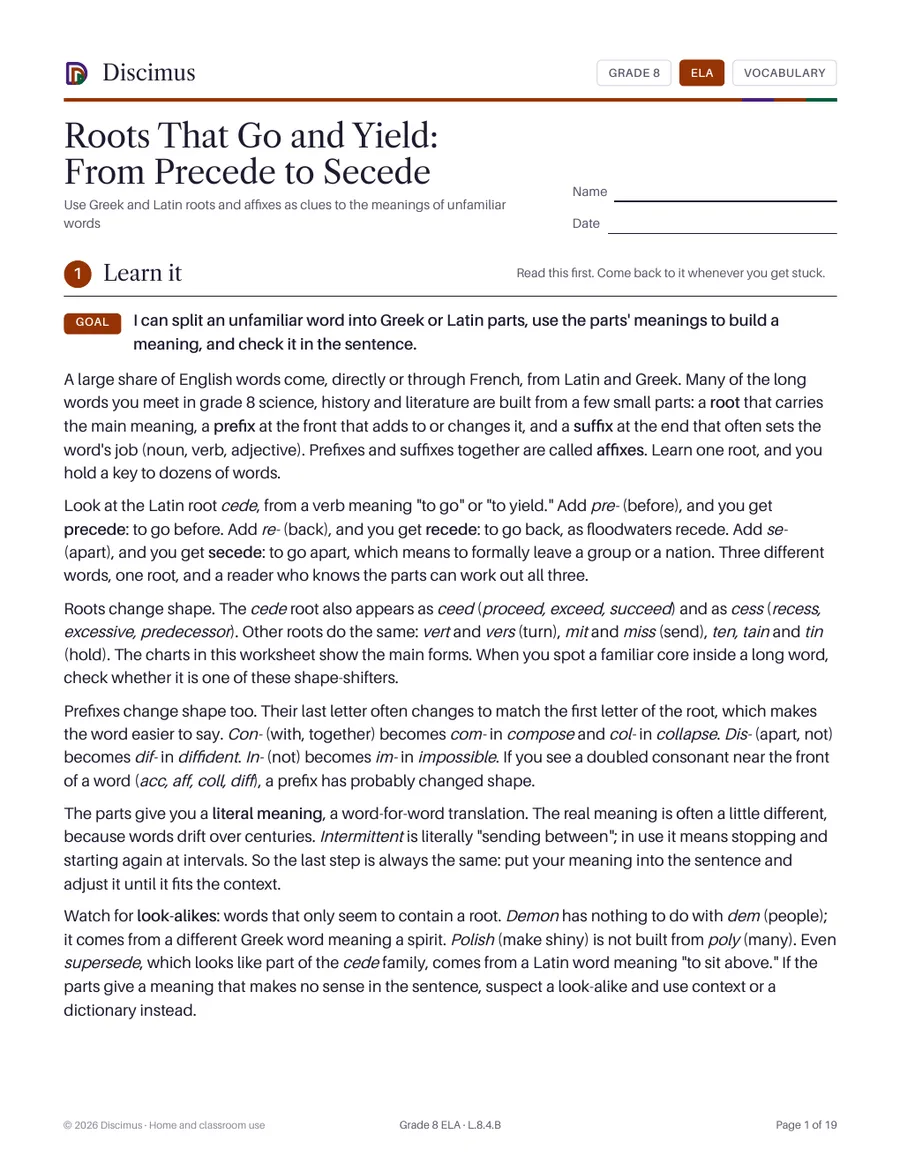
Use Greek and Latin roots and affixes as clues to the meanings of unfamiliar words
Fit development, organization and style to task, purpose and audience in content writing
Verify a first guess at a word's meaning by checking it in context and in a dictionary
Recognize and correct inappropriate shifts in verb voice and mood
Answer a history or science question from several sources and ask focused new questions
Research a focused question with several sources, then generate follow-up questions
Spell correctly using stress and doubling, soft c and g, -cede/-ceed/-sede and -cian
Plan, revise, edit, rewrite or try a new approach, judging changes by purpose and audience
Determine a central idea and analyze how it develops over the course of a text
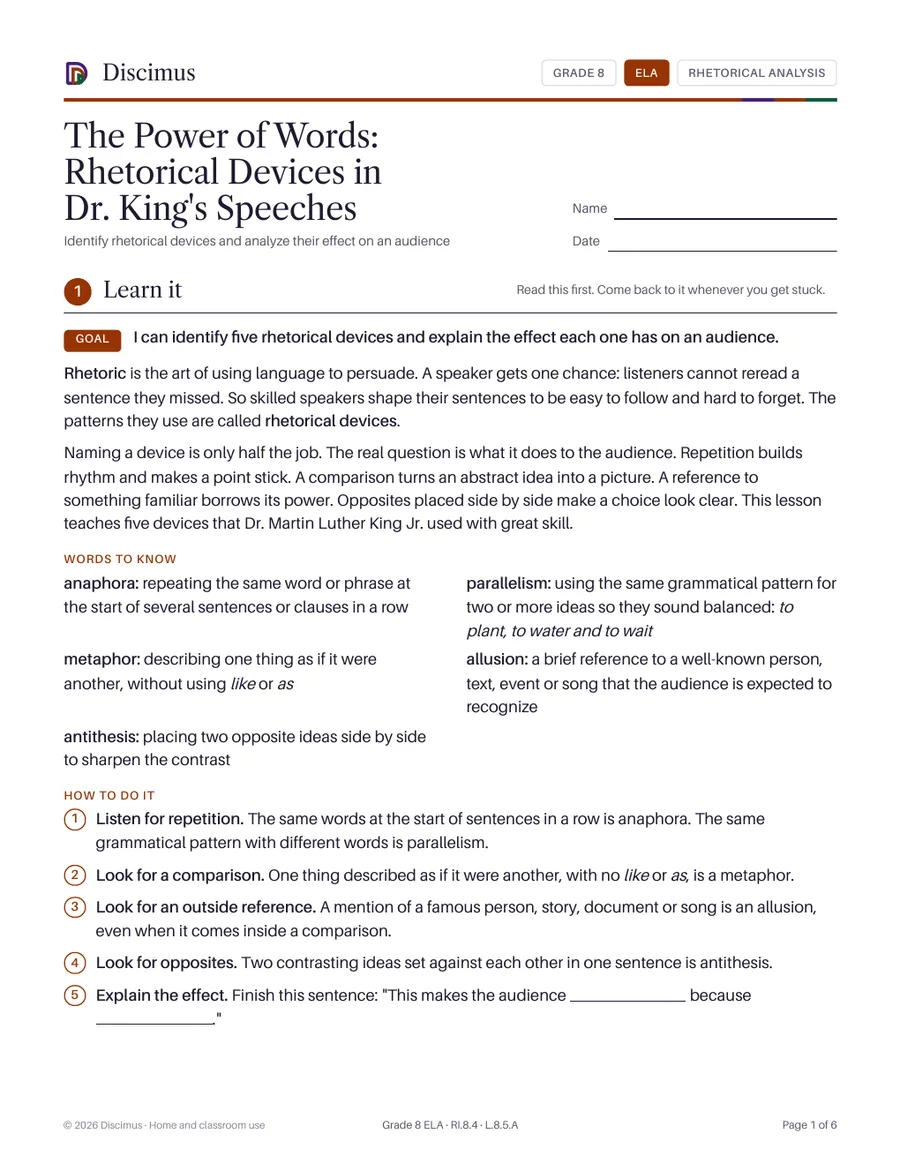
Identify rhetorical devices and analyze their effect on an audience
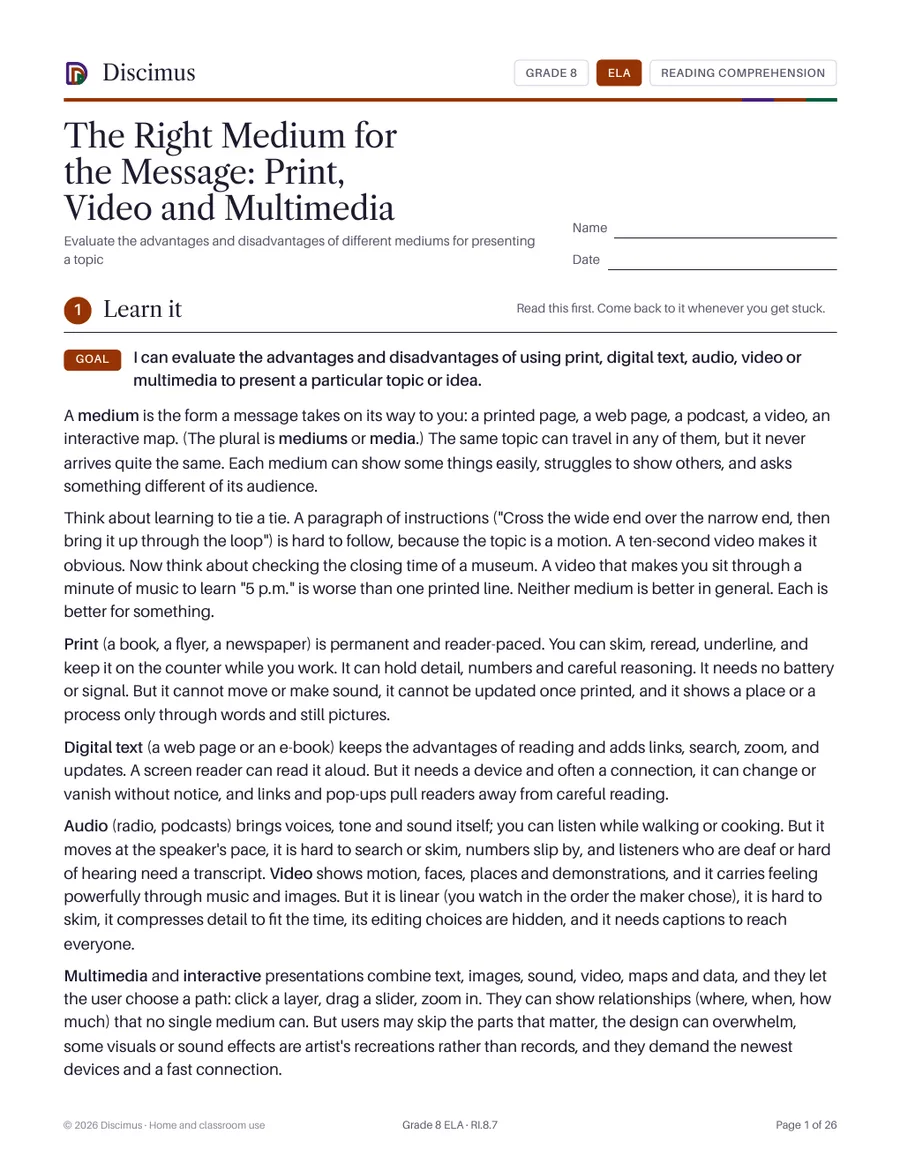
Evaluate the advantages and disadvantages of different mediums for presenting a topic
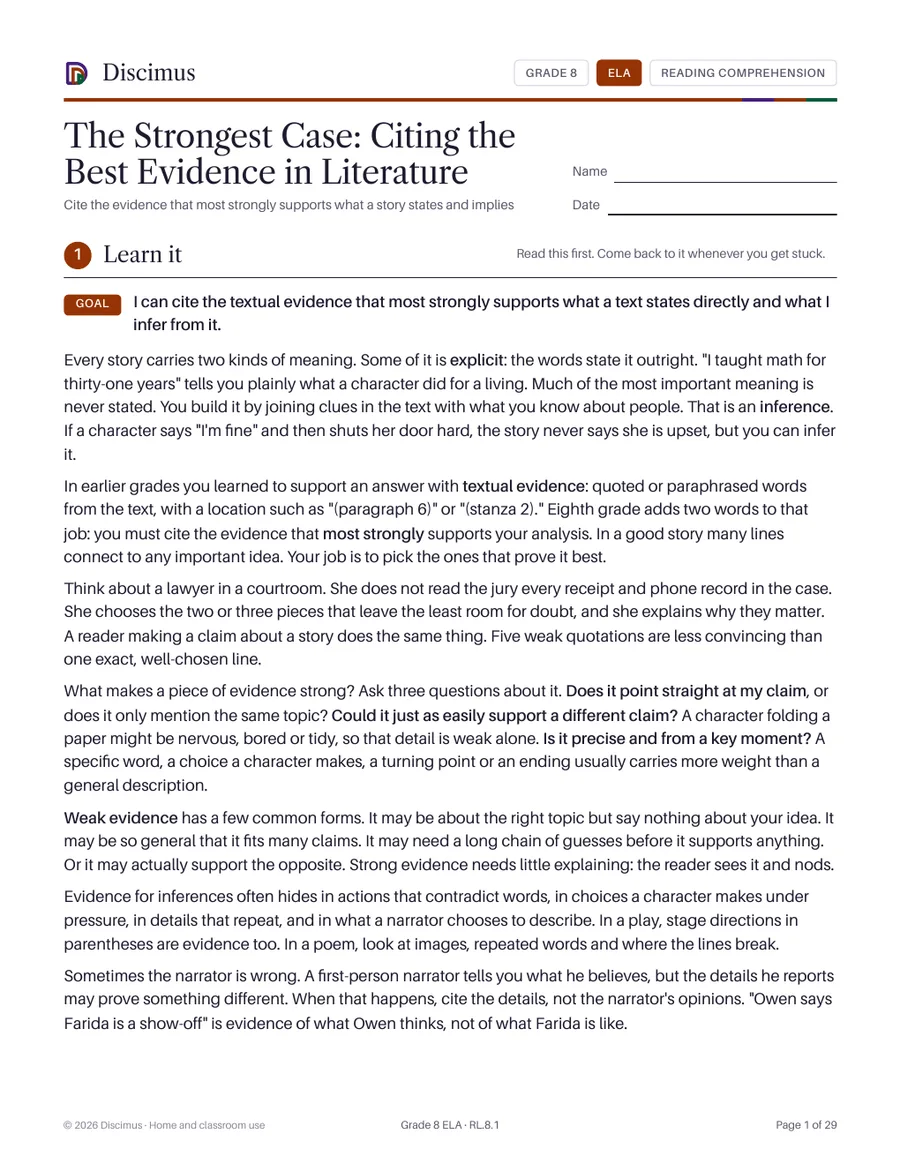
Cite the evidence that most strongly supports what a story states and implies
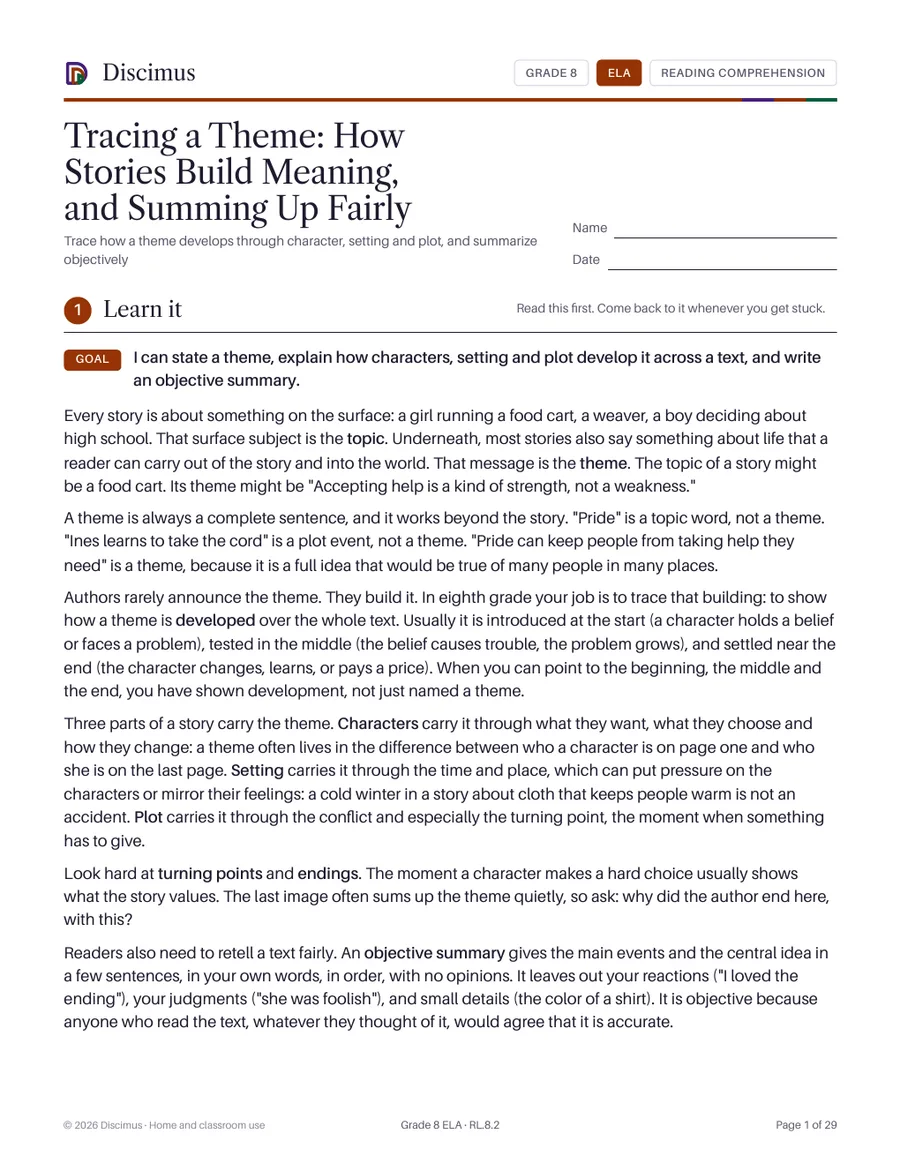
Trace how a theme develops through character, setting and plot, and summarize objectively
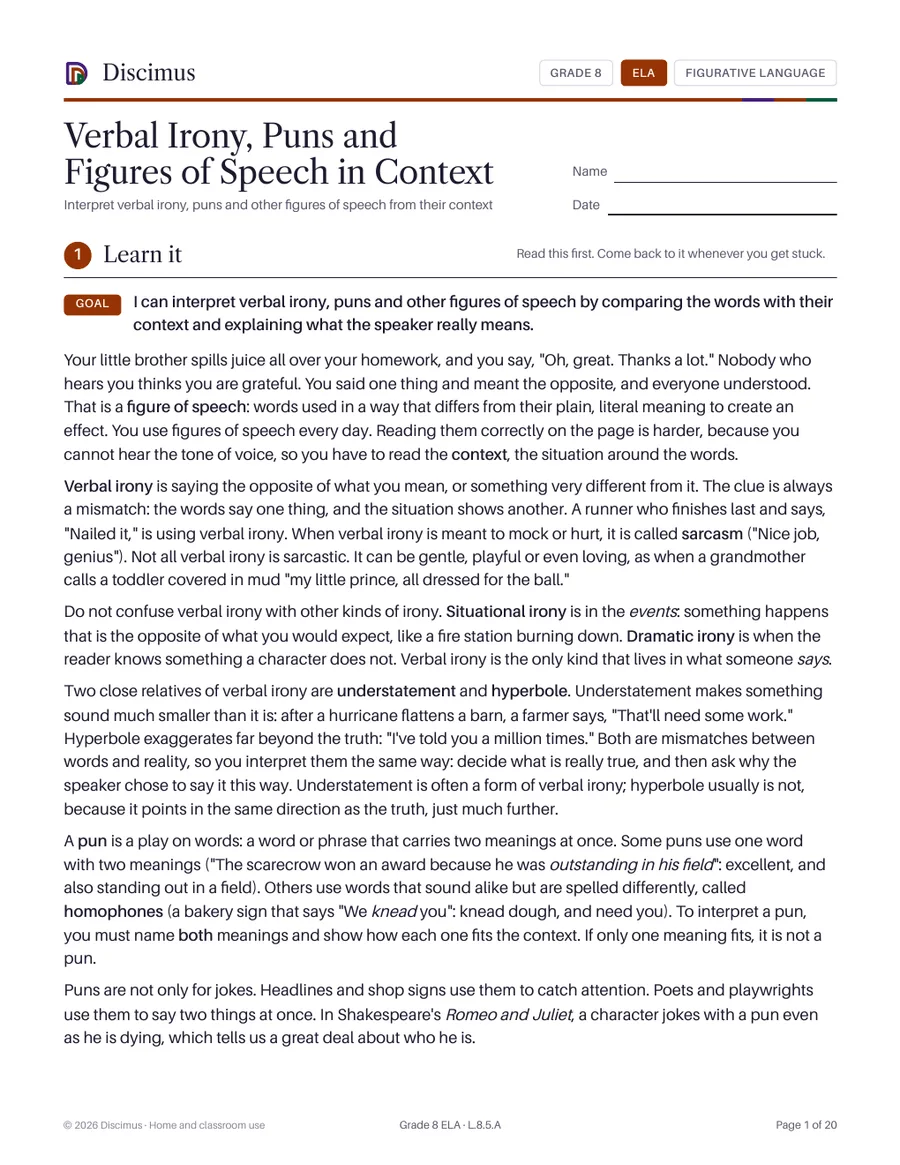
Interpret verbal irony, puns and other figures of speech from their context
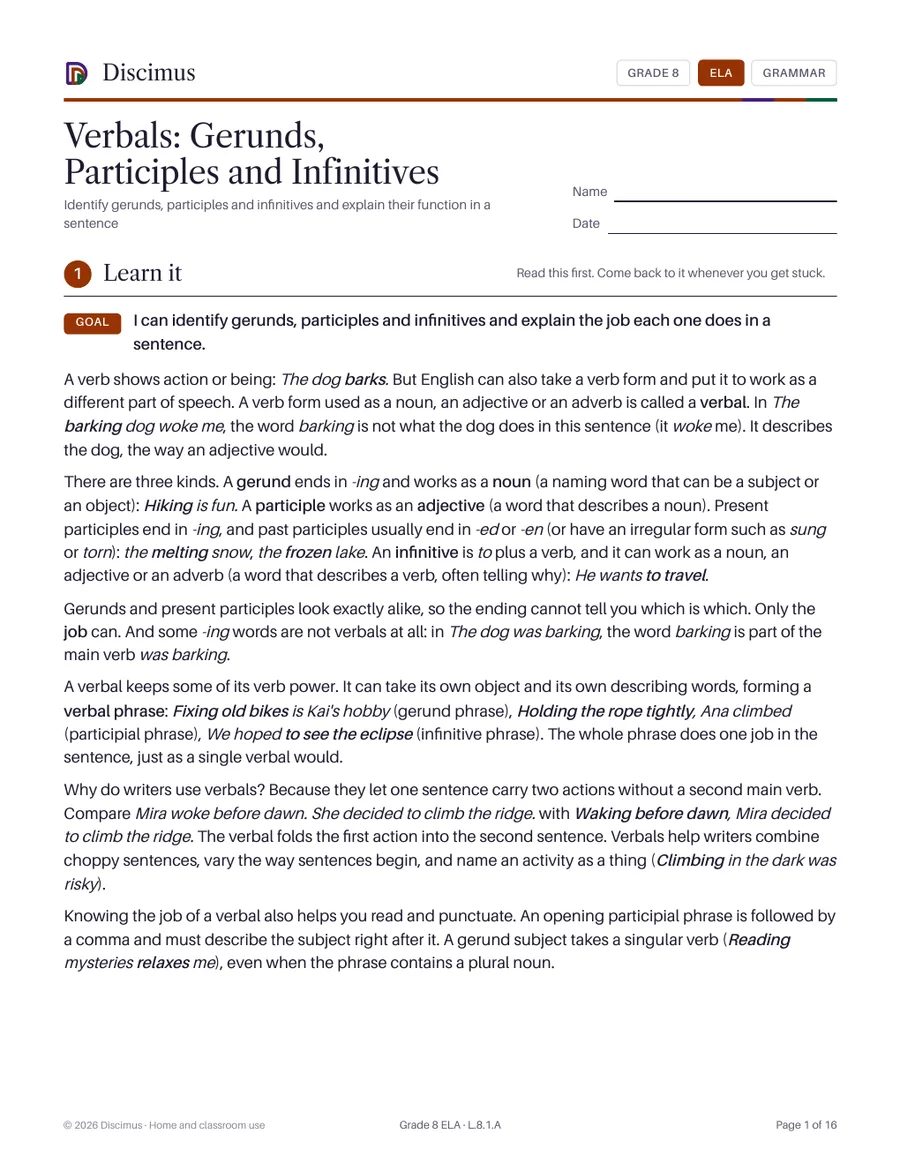
Identify gerunds, participles and infinitives and explain their function in a sentence
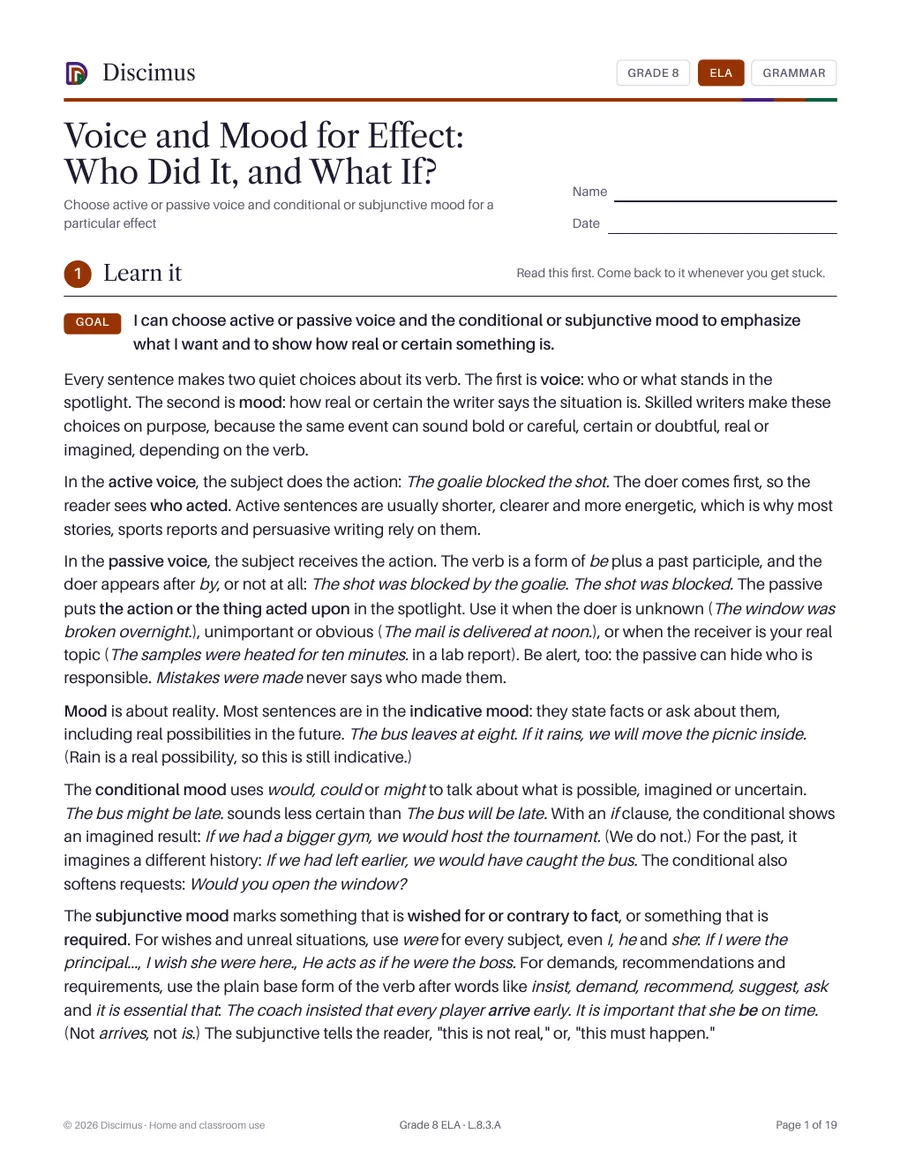
Choose active or passive voice and conditional or subjunctive mood for a particular effect
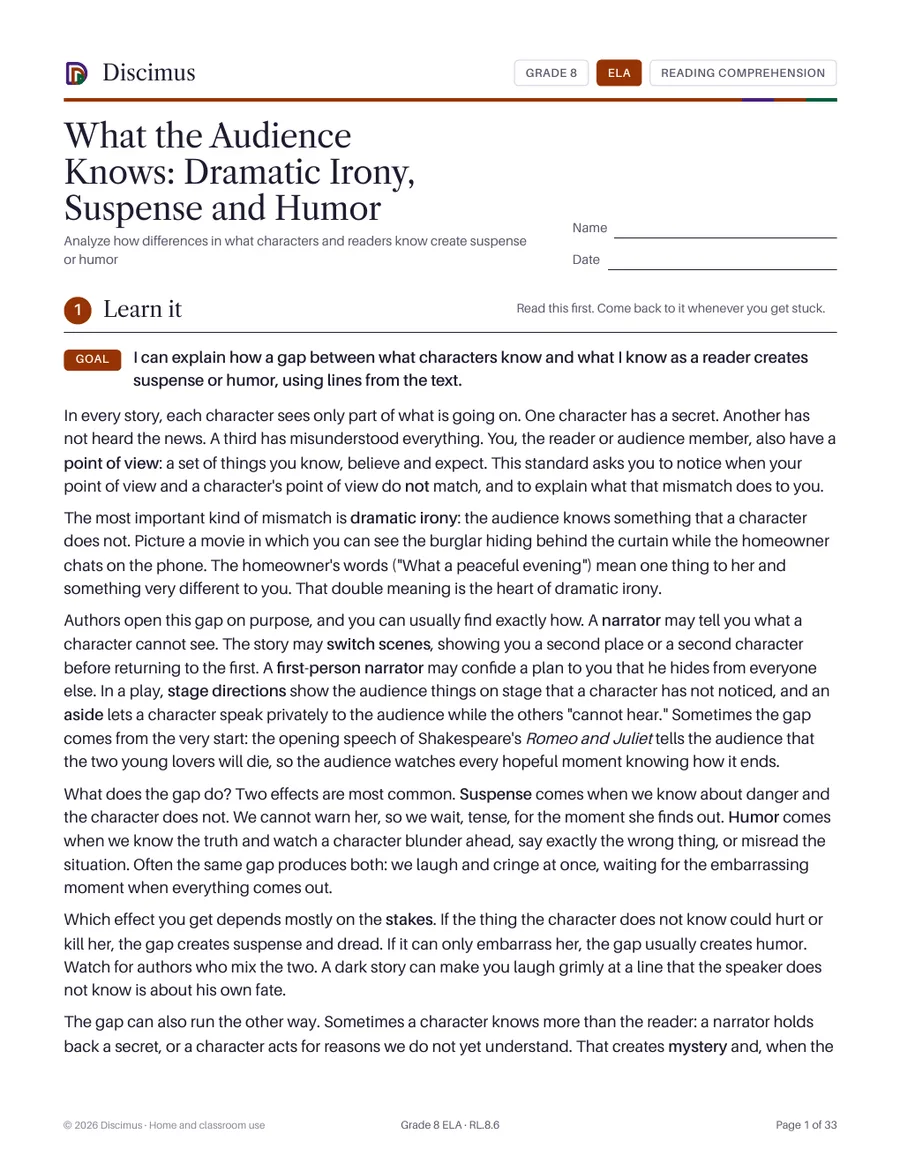
Analyze how differences in what characters and readers know create suspense or humor
Analyze two texts that conflict and identify disagreements of fact or of interpretation
Use how two words are related, such as by degree, contrast or category, to understand each
Analyze how technical, connotative and figurative words and allusions shape tone
Analyze in writing how a modern story borrows from and renews an old myth or tale
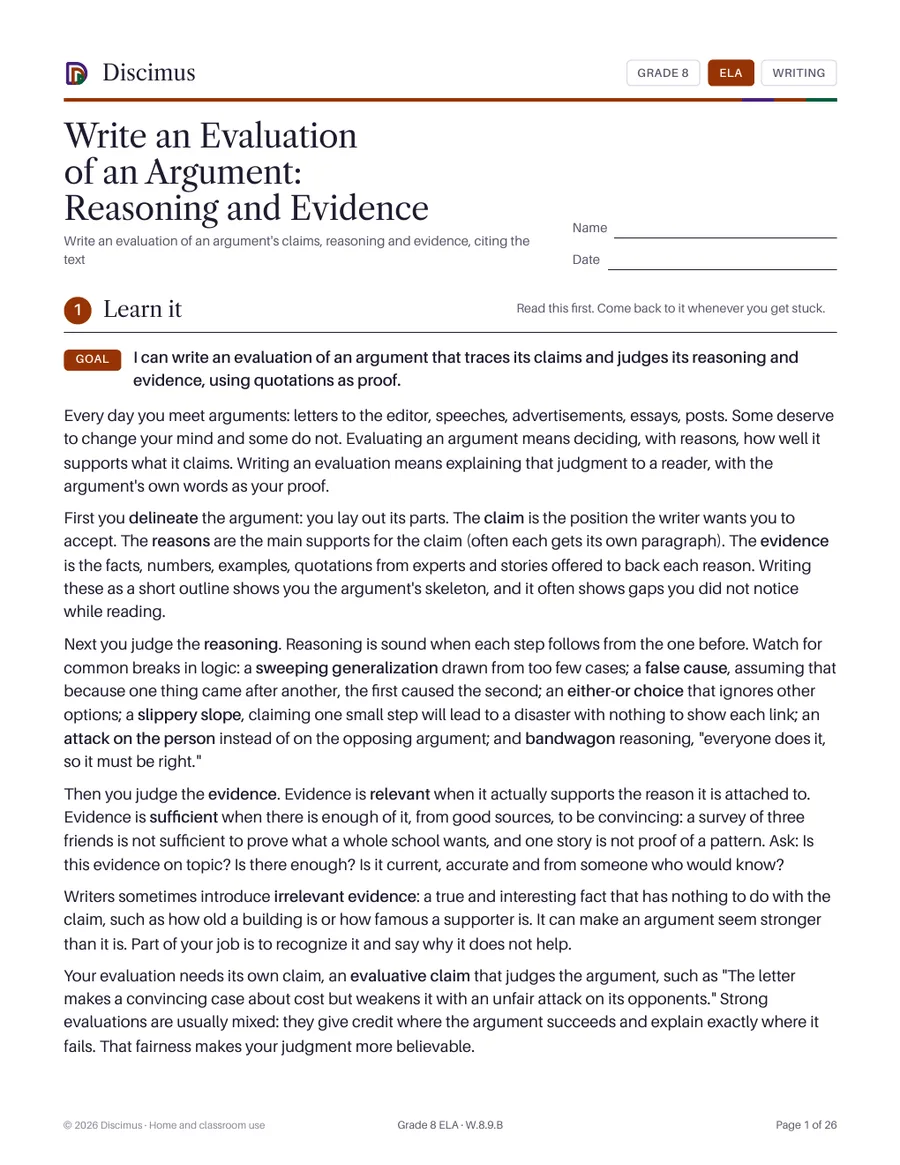
Write an evaluation of an argument's claims, reasoning and evidence, citing the text
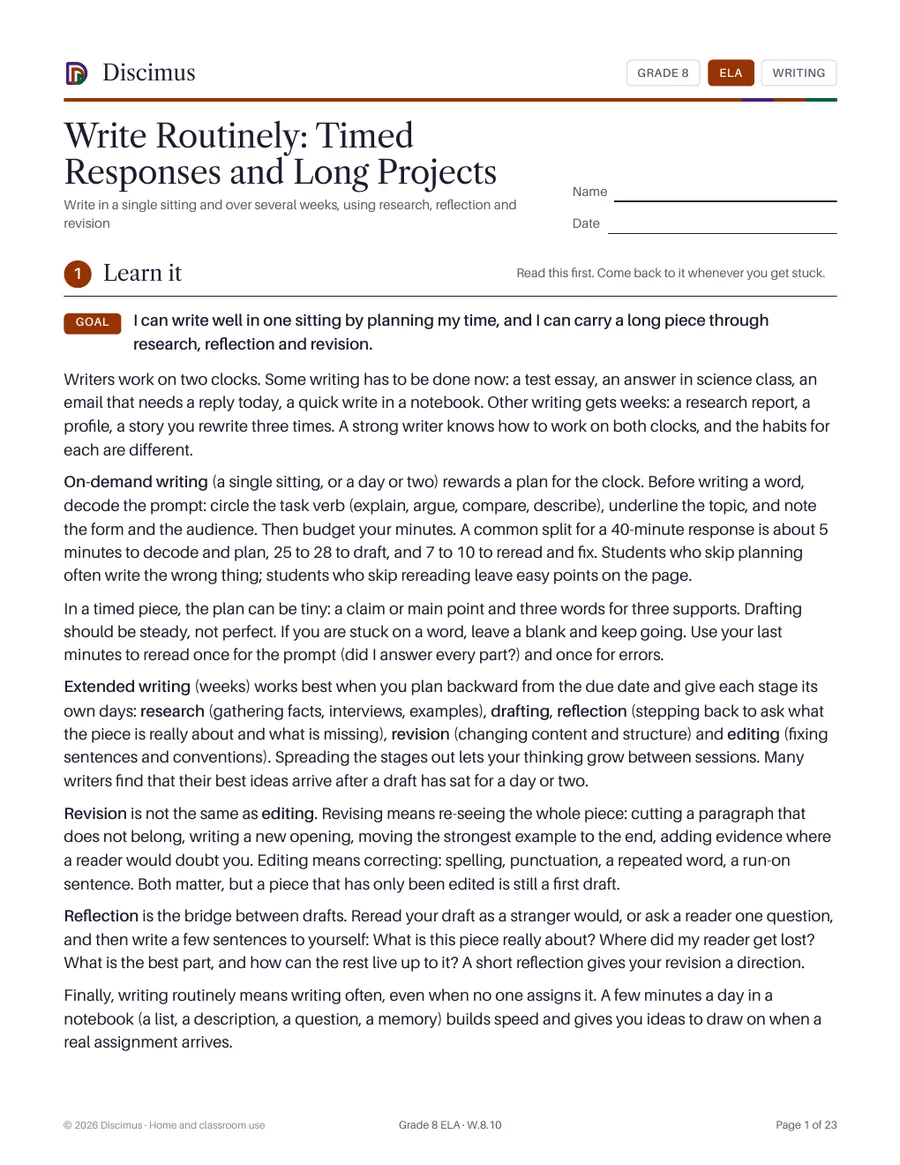
Write in a single sitting and over several weeks, using research, reflection and revision
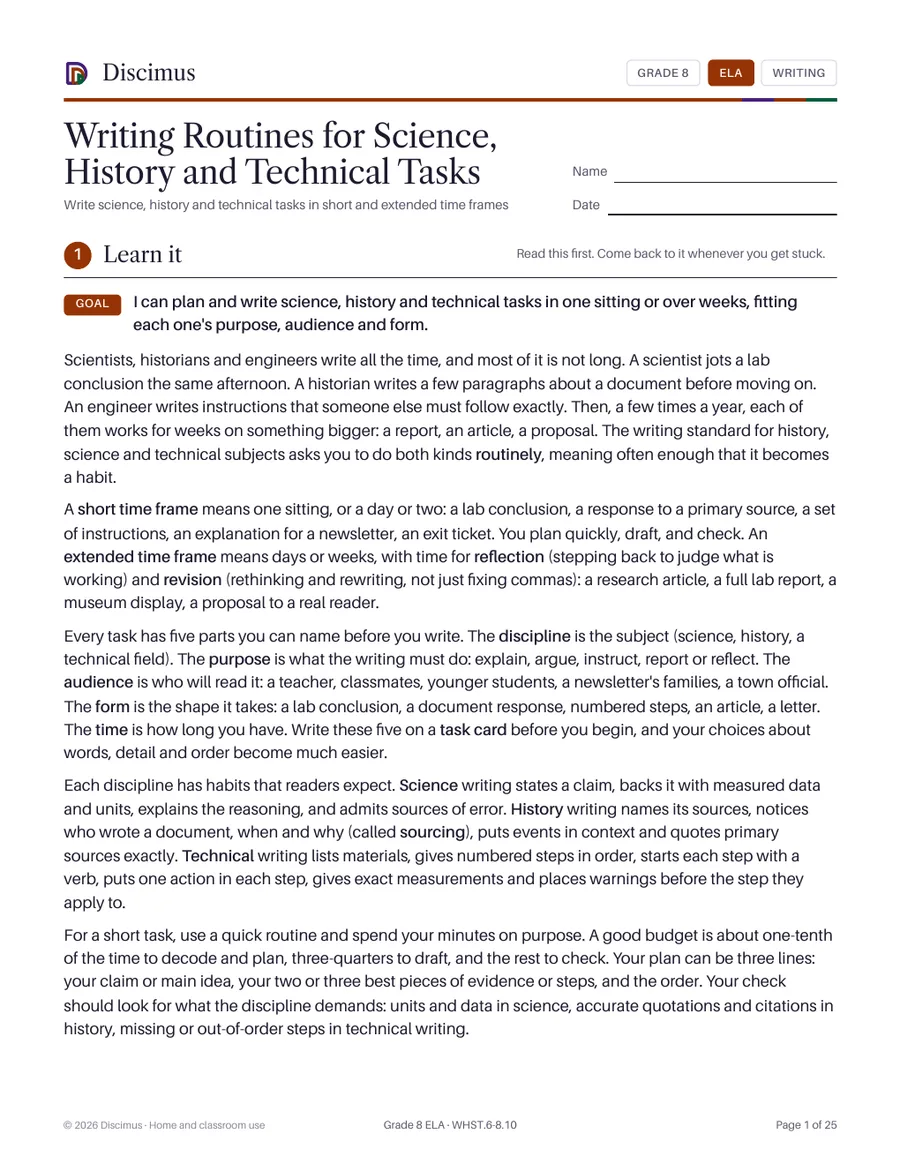
Write science, history and technical tasks in short and extended time frames